Maintenance Tips

Practical tips to keep your car on the road longer.

Regular vehicle maintenance is the difference between a car that runs reliably for 200,000 miles and one that strands you on the side of the road at 80,000. Many drivers treat maintenance as an afterthought, responding only when a warning light appears or a strange noise develops. A proactive approach, following the manufacturer's recommended service schedule and addressing small issues before they become major failures, saves thousands of dollars over the life of the vehicle. Modern cars are more reliable than ever, but they still require consistent attention to fluids, filters, belts, tires, and brakes. Understanding the basics of what your car needs and when it needs it empowers you to make informed decisions about DIY versus professional service, to recognize when a mechanic's recommendation is necessary versus upselling, and to keep your vehicle safe and dependable for years to come.

The Essential Maintenance Schedule

Every vehicle comes with a maintenance schedule in the owner's manual, and this document should be your primary reference. The schedule is typically divided into normal and severe service intervals. Severe service applies if you frequently drive in stop-and-go traffic, extreme temperatures, dusty conditions, or take mostly short trips. Most drivers actually fall into the severe category without realizing it. At a minimum, oil and filter changes should be performed every 5,000 to 7,500 miles with synthetic oil, or every 3,000 to 5,000 miles with conventional oil. Tire rotation should happen at every other oil change, roughly every 6,000 to 8,000 miles, to ensure even wear and maximize tread life. Engine air filters and cabin air filters should be replaced every 15,000 to 30,000 miles, though drivers in dusty areas may need more frequent changes. Brake fluid absorbs moisture over time and should be flushed every two to three years regardless of mileage. Coolant flushes are typically due every 30,000 to 60,000 miles or every five years. Transmission fluid changes depend heavily on the transmission type, with CVTs generally requiring more frequent service than traditional automatics. Spark plugs in modern engines last 60,000 to 100,000 miles. Following these intervals prevents the cascade failures that occur when one neglected component stresses others.

DIY Maintenance Tasks Anyone Can Learn

Several maintenance tasks require no specialized training and can save hundreds of dollars annually in labor costs. Checking and topping off fluids including engine oil, coolant, brake fluid, power steering fluid, and windshield washer fluid takes minutes and requires only a rag and the correct fluid types. Replacing engine and cabin air filters is typically a five-minute job that requires no tools beyond perhaps a screwdriver; dealerships often charge fifty to eighty dollars for a filter replacement that costs fifteen dollars in parts. Windshield wiper blades should be replaced every six to twelve months or whenever streaking appears, and most auto parts stores will install them free with purchase. Checking tire pressure monthly and adjusting to the specification on the driver's door jamb, not the maximum pressure on the tire sidewall, improves fuel economy, handling, and tire life. Learning to check tire tread depth with a penny or a dedicated gauge helps you know when replacement is due before the tires become dangerous. Battery terminals should be inspected for corrosion and cleaned with a wire brush and baking soda solution when buildup appears. These simple routines build familiarity with your vehicle and help you notice when something looks, sounds, or smells wrong before it escalates into a breakdown.

Choosing a Mechanic and Avoiding Unnecessary Repairs

Finding an honest, competent mechanic is one of the most valuable relationships a car owner can build. Independent shops typically charge significantly less than dealerships for the same quality of work on out-of-warranty vehicles. Look for ASE-certified technicians, check online reviews with an eye toward consistency rather than individual anecdotes, and start with a small job like an oil change to evaluate the shop's communication and pricing transparency before committing to major work. When a mechanic recommends a repair, ask them to show you the problem. A good mechanic will walk you to the bay and point out the worn component, leaking seal, or abnormal measurement. If they refuse or deflect, get a second opinion. Learn the difference between maintenance items that should be done on schedule and repairs that can wait. For example, a slightly seeping valve cover gasket may not need immediate attention, while worn brake pads demand prompt replacement. Always get estimates in writing and approve work before it begins. Shops are legally required to get your authorization for repairs exceeding the estimate. Understanding these fundamentals transforms car maintenance from a source of anxiety into a manageable, predictable part of vehicle ownership.

Seasonal Maintenance and Emergency Preparedness

Each season places different demands on your vehicle, and a seasonal maintenance routine prevents the most common weather-related breakdowns. Before winter, test the battery's cold cranking amps since cold temperatures reduce battery capacity by up to 50 percent while simultaneously thickening engine oil and increasing the power needed to start the engine. A battery more than three years old in a cold climate should be tested annually and replaced proactively before it fails on a frigid morning. Check that the heater, defroster, and heated seats or mirrors function correctly. Wiper blades should be replaced with winter-specific versions that resist ice buildup, and windshield washer fluid must be rated for sub-freezing temperatures since summer formula fluid freezes into an opaque block that renders the washer system useless precisely when you need it most. Tire pressure drops about one PSI for every ten-degree Fahrenheit decrease in temperature, so check and adjust pressure when the first cold snap arrives. For drivers in regions with regular snow, dedicated winter tires are not a luxury; they are the single most impactful safety upgrade available. All-season tires harden below 45 degrees Fahrenheit and lose significant grip on both dry and wet cold pavement, let alone snow and ice. Before summer, verify that the air conditioning blows cold, check coolant level and condition since engine temperatures peak during heat waves, and inspect serpentine belts for cracks that heat accelerates. An emergency kit in the trunk should include jumper cables or a portable jump starter, a tire pressure gauge, a first aid kit, a flashlight with fresh batteries, basic hand tools, and reflective warning triangles. For winter driving, add a blanket, gloves, an ice scraper, and a small bag of sand or cat litter for traction if you get stuck. These items cost less than a single tow truck call and can be the difference between a minor inconvenience and a genuinely dangerous situation.
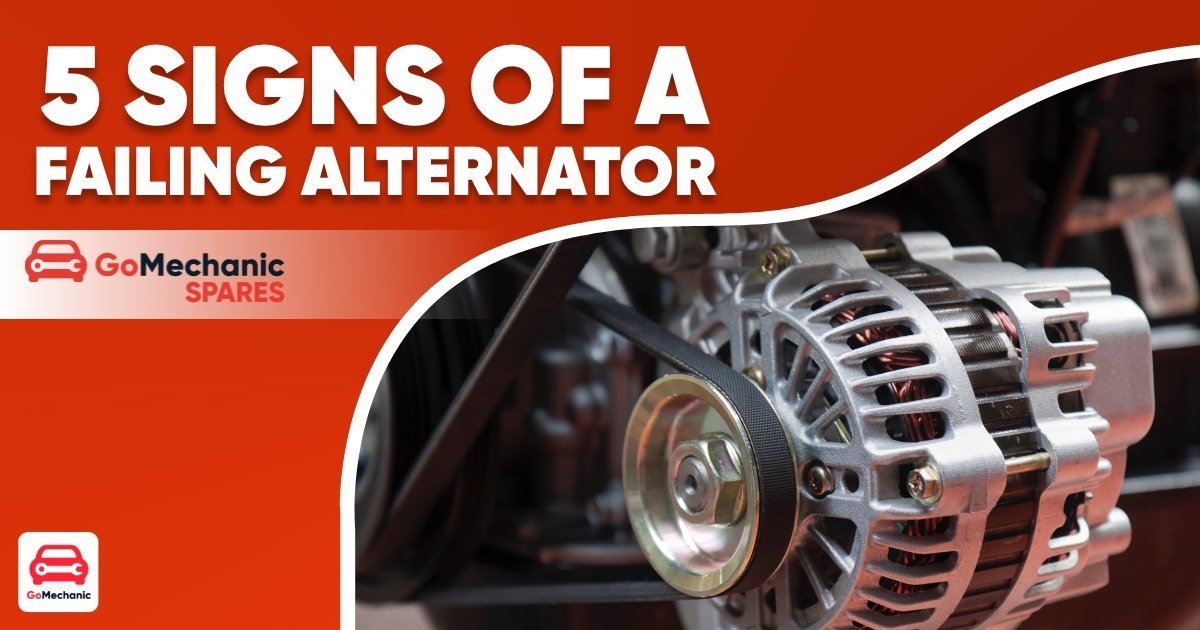
5 Signs Your Alternator Is Failing and How to Diagnose It

5 Signs Your Alternator Is Failing and How to Diagnose It

Is your car struggling to start or flickering lights? Learn the 5 key signs of a failing alternator and expert steps to diagnose before you're left stranded.

5 Tire Maintenance Tips to Extend Life and Improve Safety

5 Tire Maintenance Tips to Extend Life and Improve Safety

Keep your tires in peak condition with these 5 essential maintenance tips. Learn about proper inflation, rotation, alignment, and more to extend tread life and ensure safety on the road.

5 Dashboard Warning Lights Every Driver Should Know

5 Dashboard Warning Lights Every Driver Should Know

Don't ignore your car's warning lights. Learn what the check engine, battery, oil, brake, and TPMS lights mean and when to take action. Expert guide from AutoPulse.

6 Essential Steps to Maximize Your Car's Battery Life

6 Essential Steps to Maximize Your Car's Battery Life

Learn how to extend your car battery's lifespan with these 6 proven steps. Expert tips on maintenance, testing, and driving habits to avoid unexpected failures.

5 Signs Your Transmission Is Failing and How to Respond

5 Signs Your Transmission Is Failing and How to Respond

Learn the top 5 warning signs of a failing transmission, including slipping gears, delayed engagement, and leaking fluid. Expert tips and repair advice from AutoPulse.

5 Most Common Brake Problems and How to Fix Them

5 Most Common Brake Problems and How to Fix Them

Discover how to diagnose and fix the top 5 car brake problems: squealing, grinding, soft pedal, pulling, and vibration. Expert advice and step-by-step instructions from AutoPulse.

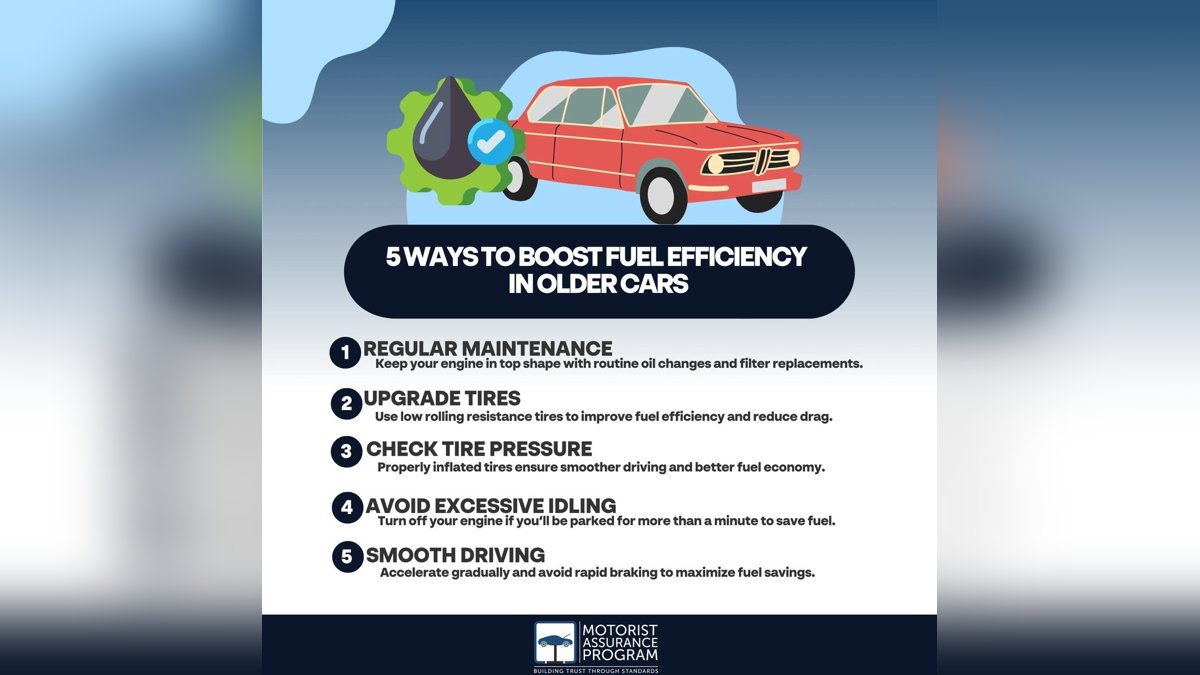
5 Proven Ways to Boost Your Car's Fuel Economy

5 Proven Ways to Boost Your Car's Fuel Economy

Discover 5 actionable tips to improve your car's fuel economy without sacrificing performance. From tire pressure to driving habits, save money at the pump with AutoPulse.

5 Steps to Detail Your Car Like a Pro for a Showroom Shine

5 Steps to Detail Your Car Like a Pro for a Showroom Shine

Learn the professional 5-step car detailing process to restore your vehicle's paint, interior, and glass. Achieve a showroom shine at home with expert tips and techniques.

5 Engine Oil Myths Debunked: What Every Driver Must Know

5 Engine Oil Myths Debunked: What Every Driver Must Know

Think you know everything about engine oil? Discover the truth behind 5 common myths that could be damaging your car's engine. Save money and extend engine life with these expert insights.

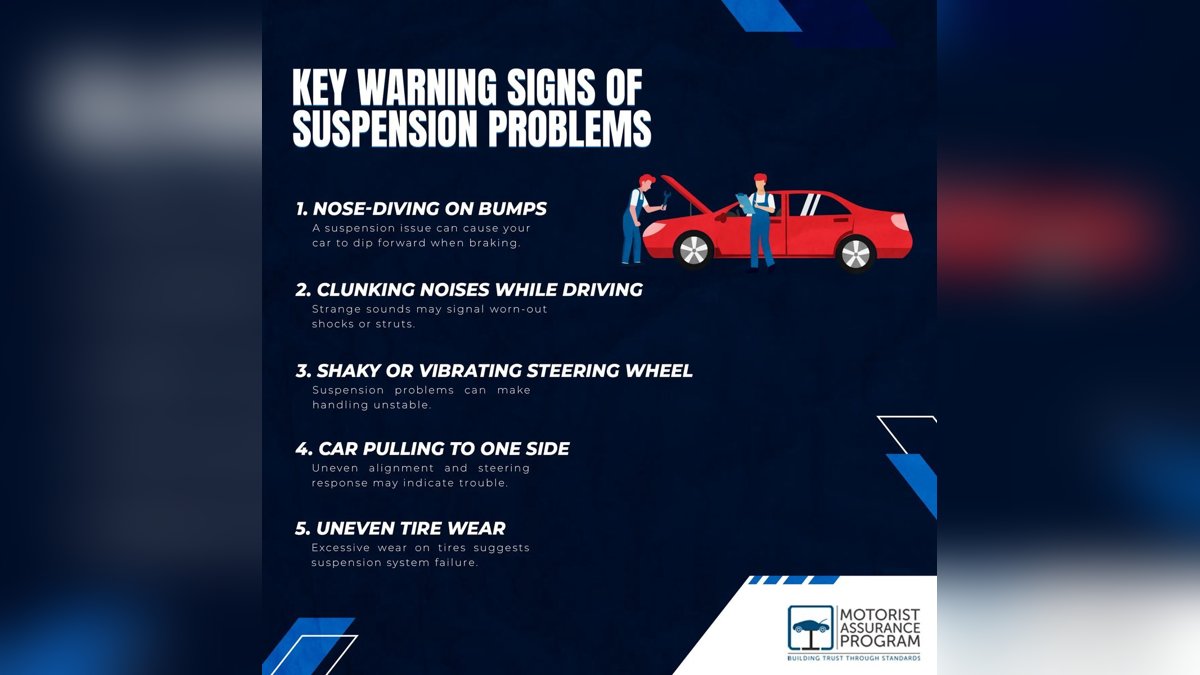
5 Warning Signs Your Car's Suspension Is Failing and What to Do

5 Warning Signs Your Car's Suspension Is Failing and What to Do

Learn the top 5 warning signs of a failing suspension system, from uneven tire wear to nose dives. Diagnose issues early and save on costly repairs with this expert guide.

Why Regular Maintenance Pays for Itself

Car maintenance is easy to defer. The car starts, drives, and stops. Nothing seems wrong. Oil changes, fluid flushes, and belt replacements cost money and time with no immediately visible benefit. This logic is seductive and expensive. The purpose of maintenance is not to fix problems you can already feel. It is to prevent problems that cost ten times as much when they eventually manifest. A timing belt that snaps at highway speed can destroy an interference engine entirely, turning a six-hundred-dollar service into a five-thousand-dollar engine replacement. Transmission fluid that was never changed causes accelerated wear that requires a rebuild rather than a drain-and-fill. Brake pads worn into the rotors turn a straightforward pad replacement into a full brake job with new rotors and calipers.

The maintenance schedule in your owner manual is the single most important document for your car long-term health. It was written by the engineers who designed the vehicle, not by a dealership service department looking to upsell. The severe service schedule applies to most drivers more than they realize: frequent short trips where the engine never fully warms up, stop-and-go traffic, dusty environments, and towing all qualify as severe conditions. Following the severe schedule for oil changes, typically every five thousand miles or six months rather than the ten thousand miles often listed for normal service, is cheap insurance against the sludge buildup and timing chain wear that plague engines maintained on extended intervals.

The Essential Maintenance Items Every Owner Should Know

Engine oil is the lifeblood of your car, and oil changes are the single most important maintenance item. Modern synthetic oils resist thermal breakdown far better than conventional oils from a generation ago, but they still become contaminated with fuel dilution, moisture, and combustion byproducts over time. The oil filter captures particles down to roughly twenty microns. Once the filter reaches capacity, unfiltered oil circulates through bearings and hydraulic timing chain tensioners, accelerating wear that cannot be reversed. Check your oil level monthly using the dipstick with the engine off and the car on level ground. An engine burning a quart of oil between changes on a high-mileage vehicle is normal. An engine burning a quart every thousand miles needs investigation but is not necessarily terminal if you keep it topped up.

Tires are the only part of the car that touches the road, and they deserve corresponding attention. Check pressure monthly when the tires are cold, before driving. Underinflated tires overheat at highway speeds, increasing the risk of tread separation and blowouts. They also increase rolling resistance, costing fuel economy. The correct pressure is listed on the driver door jamb sticker, not on the tire sidewall which lists maximum pressure. Rotate tires every five to seven thousand miles to even out wear patterns. Front tires on front-wheel-drive cars wear faster because they handle steering, braking, and acceleration forces simultaneously. Uneven wear across the tread indicates alignment issues that should be corrected before the uneven wear destroys the tires. The penny test for tread depth places a penny with Lincoln head upside down into the tread grooves; if you can see the top of Lincoln head, the tires are below two thirty-seconds of an inch and need replacement.

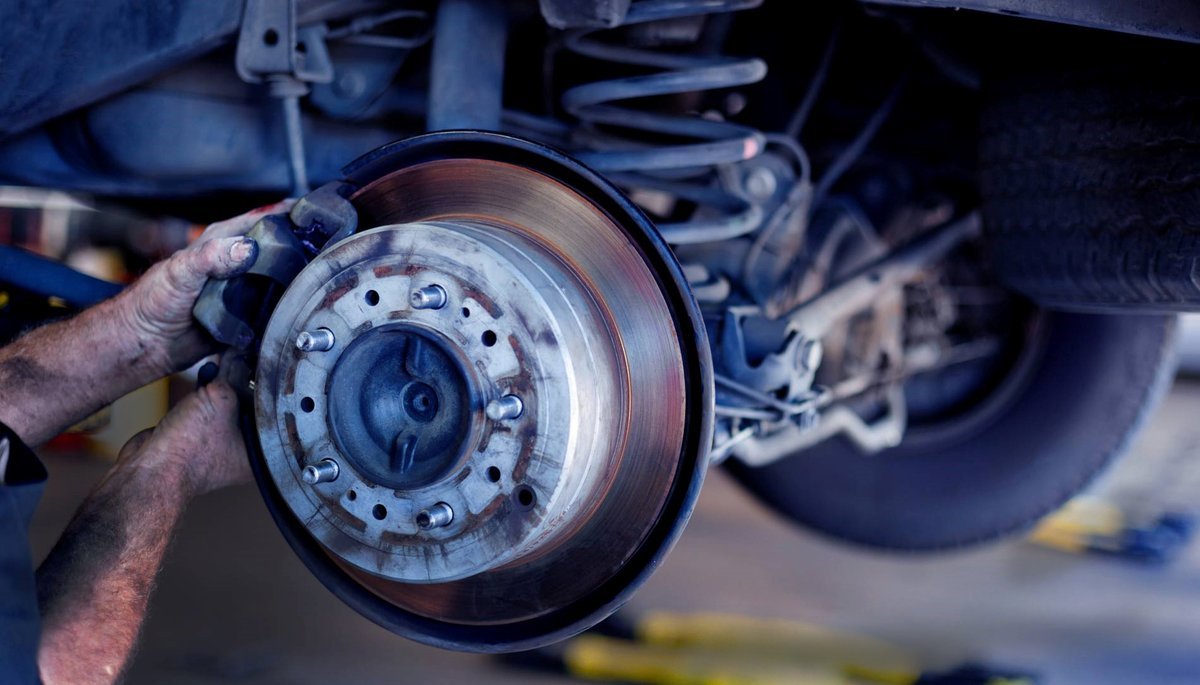
Brakes provide progressive warning before failure if you pay attention. Squealing from wear indicators built into the pads means the friction material is nearly gone. Grinding means metal backing plate is contacting the rotor, and the rotor likely needs replacement along with the pads. A soft brake pedal that slowly sinks to the floor at stoplights indicates a leak in the hydraulic system or a failing master cylinder, both requiring immediate attention. Brake fluid absorbs moisture from the air over time. Moisture lowers the fluid boiling point, and under hard braking the fluid can boil in the calipers, creating compressible vapor bubbles that cause sudden pedal softness. Brake fluid should be flushed every two to three years regardless of mileage. The fluid color in the reservoir is a rough indicator: pale amber is fresh, dark brown or black is overdue.

Fluids, Filters, and Belts: The Full Maintenance Picture

Beyond engine oil, your car contains several other fluids with finite service lives. Transmission fluid lubricates gears, bearings, and clutches while providing hydraulic pressure for shifting. Automatic transmission fluid darkens from its original red as it oxidizes and accumulates clutch material. A drain-and-fill that replaces roughly a third to half the fluid is safer for high-mileage transmissions than a pressurized flush, which can dislodge debris that blocks narrow fluid passages. Coolant, or antifreeze, prevents freezing in winter and boiling in summer while inhibiting corrosion throughout the engine and radiator. Old coolant becomes acidic and loses its corrosion-inhibiting properties, leading to water pump seal failures, heater core leaks, and head gasket corrosion. Most manufacturers recommend coolant replacement every five years or one hundred thousand miles.

The engine air filter and cabin air filter are the two easiest maintenance items for a DIY owner, requiring no tools and taking under five minutes each. A clogged engine air filter restricts airflow, reducing power and fuel economy. The cabin air filter captures pollen, dust, and exhaust particulates before they enter the passenger compartment through the ventilation system. A neglected cabin filter can grow mold in humid conditions, producing the musty smell that many people associate with older vehicles. Both filters typically cost under twenty dollars each and should be replaced annually or every fifteen thousand miles, more frequently in dusty or high-pollen environments.

The serpentine belt drives the alternator, power steering pump, air conditioning compressor, and water pump on most modern engines. A belt that fails while driving disables all these accessories simultaneously. The car may continue running briefly without a water pump before overheating destroys the engine. Belt inspection is visual: look for cracks across the ribbed side, glazing that makes the belt surface shiny and hard, and fraying at the edges. Most manufacturers recommend replacement between sixty thousand and one hundred thousand miles. The belt tensioner and idler pulleys should be replaced at the same time since their bearings have the same service life and a seized pulley destroys a new belt as surely as an old one.

Building a Relationship With a Trustworthy Mechanic

Finding a good independent mechanic is more valuable than any single maintenance tip. A shop that knows your car history can spot emerging problems before they become emergencies. Ask for recommendations from people who drive vehicles similar to yours. Look for ASE-certified technicians and shops that specialize in your vehicle make. The first visit should be for a routine service like an oil change or brake inspection. Evaluate the experience: was the work explained clearly, was the estimate honored, was the car returned clean, were any additional recommendations reasonable and explained without pressure? A shop that treats a small job professionally will treat a large job the same way.

Keep a maintenance log even if it is just a notes file on your phone with dates, mileage, and work performed. This documentation increases resale value by demonstrating responsible ownership. It also helps your mechanic diagnose issues by knowing what has already been addressed. Many vehicles have known weak points that experienced technicians in the community discuss. The fact that your model year has a common thermostat housing leak or PCV valve failure is not random bad luck. It is a known pattern that a good mechanic will check first rather than starting the diagnostic process from scratch. This is why specialization matters: a shop that sees twenty of your vehicle model each month knows its failure patterns intimately.