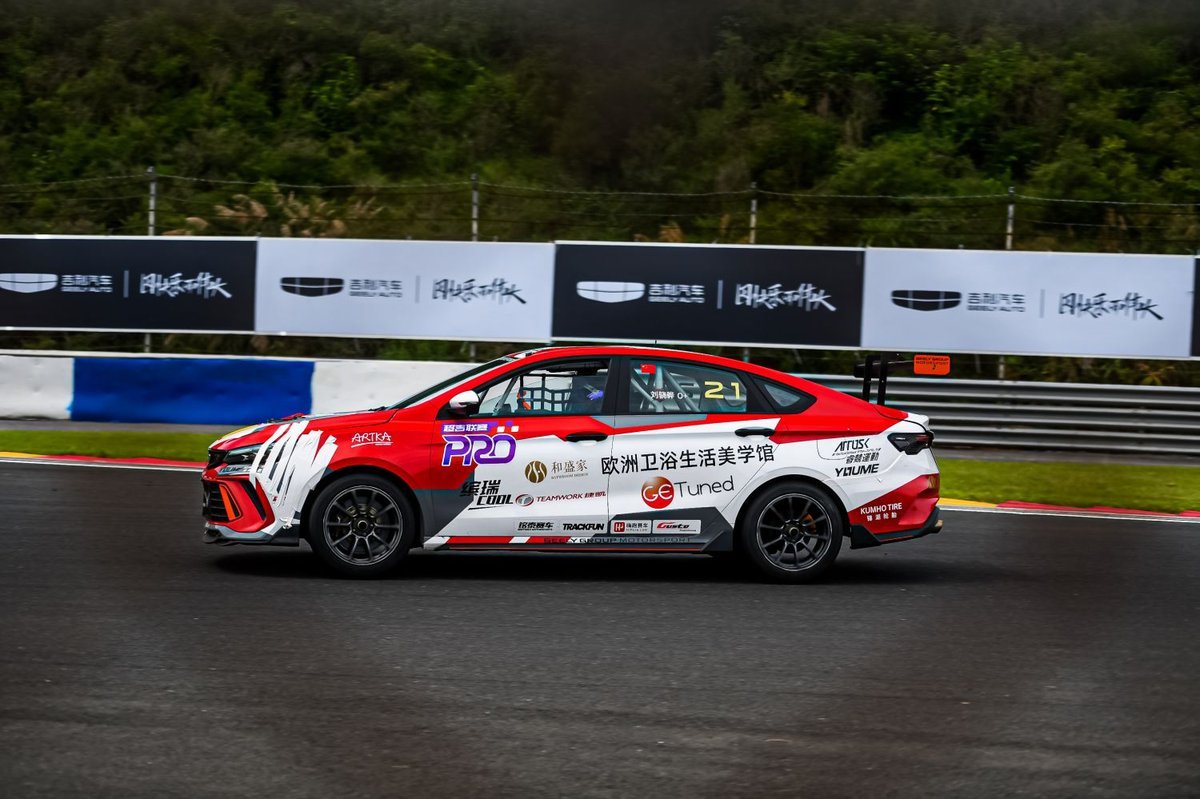
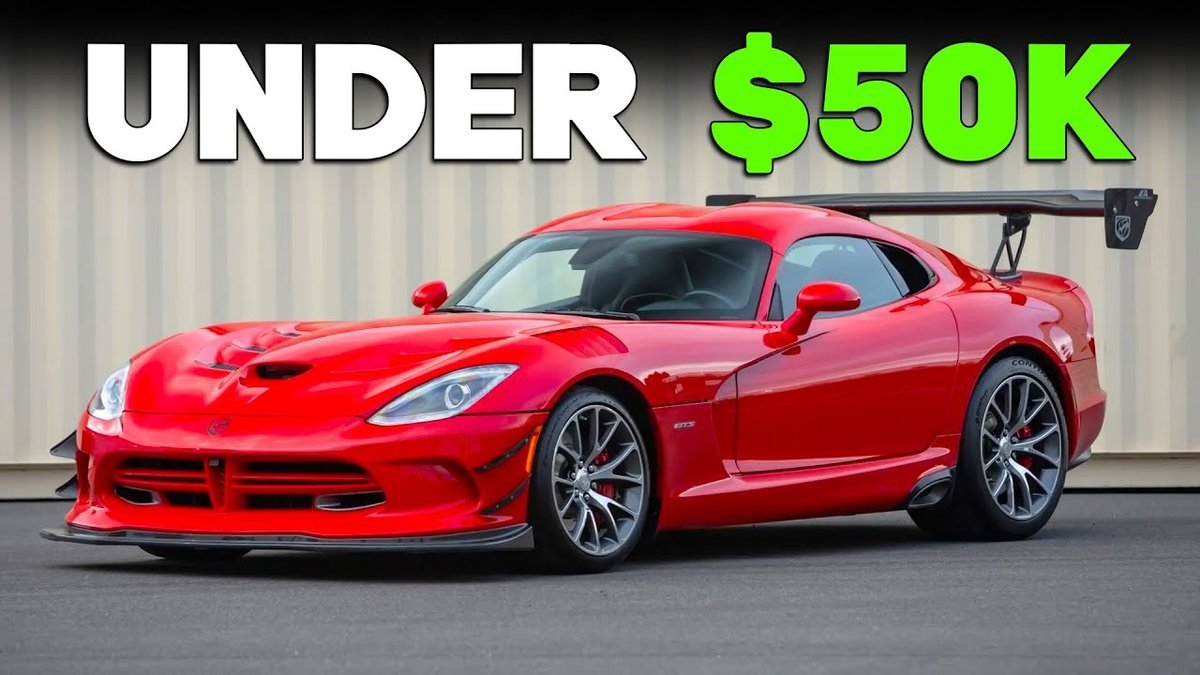
Performance cars occupy a special place in automotive culture. They are not merely transportation; they are engineered experiences designed to engage every sense. From lightweight sports cars that prioritize handling finesse over raw power to muscle cars that deliver straight-line acceleration that pins you to the seat, the performance segment spans a wide spectrum of philosophies and price points. Understanding what makes a car fast, how different engineering approaches produce different driving experiences, and what to look for when evaluating a performance vehicle helps enthusiasts make informed choices whether they are shopping for a weekend track toy, a daily-drivable sports sedan, or simply appreciating the engineering behind their favorite machines. The golden age of internal combustion performance coincides with the dawn of high-performance electric vehicles that deliver acceleration numbers once reserved for six-figure supercars, creating a fascinating moment in automotive history where both technologies are pushing boundaries in different directions.
Engine Configurations and Power Delivery
The heart of any performance car is its engine, and different configurations produce distinctly different characters. Inline-four engines with turbocharging dominate the affordable performance segment, found in cars like the Volkswagen Golf R, Honda Civic Type R, and Subaru WRX. They are compact, relatively lightweight, and modern turbo technology has virtually eliminated the lag that once made turbo engines feel unresponsive. V6 engines, particularly in twin-turbo form, bridge the gap between four-cylinder efficiency and eight-cylinder drama, powering cars like the Nissan GT-R and various Audi S and RS models. The V8 remains the emotional benchmark for many enthusiasts, delivering a deep exhaust note and linear power delivery that no four- or six-cylinder can fully replicate. American muscle cars from Ford, Chevrolet, and Dodge carry the V8 torch with naturally aspirated and supercharged variants producing anywhere from 450 to over 800 horsepower in factory trim. At the top of the pyramid, V10 and V12 engines offer exotic soundtracks and turbine-smooth power delivery, but their complexity and cost limit them to the highest tiers of the market. Electric motors introduce a completely different performance paradigm, with maximum torque available from zero RPM and the ability to precisely distribute power to individual wheels. A dual-motor Tesla Model S Plaid delivers over 1,000 horsepower and reaches 60 mph in under two seconds, numbers that internal combustion cannot match at anywhere near the price.
Handling, Suspension, and the Chassis
Straight-line speed grabs headlines, but handling is what makes a performance car rewarding to drive on a winding road or racetrack. The chassis forms the foundation. A stiff chassis allows the suspension to do its job precisely, without the flex that introduces unpredictability into the handling equation. Suspension design varies from simple MacPherson strut front and torsion beam rear setups on affordable sporty cars to sophisticated double-wishbone or multi-link arrangements on dedicated sports cars. Adaptive dampers, which adjust firmness in real time based on road conditions and driving mode, have trickled down from expensive luxury performance cars to mainstream models over the past decade. Weight distribution is equally critical. A car with a 50/50 front-to-rear weight balance rotates more predictably through corners than one with most of its mass over the front axle. The placement of the engine, whether front, mid, or rear, fundamentally shapes how a car behaves at the limit. Mid-engine cars like the Porsche 718 Cayman and Chevrolet Corvette offer the most neutral handling characteristics. The brakes deserve as much attention as the engine, since going fast is meaningless if you cannot slow down reliably. Large diameter rotors, multi-piston calipers, and high-performance pad compounds resist fade during repeated hard stops. Modern performance cars increasingly use brake-by-wire systems that blend friction braking with regenerative braking for consistent pedal feel regardless of battery state of charge or brake temperature.
Aftermarket Tuning and Track Preparation
The aftermarket performance industry allows owners to personalize and enhance their vehicles far beyond factory specifications. Engine tuning via ECU reflashing or piggyback modules can unlock significant horsepower on turbocharged engines by adjusting boost pressure, fuel delivery, and ignition timing. A stage one tune on many turbo engines adds 30 to 50 horsepower with no hardware changes, though it may affect warranty coverage and emissions compliance. Intake and exhaust upgrades improve airflow and can add modest power while transforming the sound character of the car. Suspension modifications including lowering springs, coilovers, and upgraded sway bars reduce body roll and improve cornering response at the expense of ride comfort. Lighter wheels reduce unsprung weight, improving both acceleration and handling responsiveness. High-performance tires are the single most effective upgrade for any car, as they directly affect acceleration, braking, and cornering grip. For those taking their cars to track days, additional preparation includes high-temperature brake fluid, track-oriented brake pads, and an oil cooler if the car will see extended high-RPM operation. A helmet that meets the current Snell or FIA rating is required at all organized track events. Most importantly, track driving demands respect for the machine and the conditions. Building speed gradually under instruction from experienced drivers produces better results and safer outcomes than trying to set lap records on the first session.
Driver Skill: The Ultimate Performance Upgrade
No modification to your car will improve lap times as dramatically as improving the driver. A skilled driver in a stock Miata will lap most tracks faster than an amateur in a Porsche 911. High-performance driving education programs run by organizations like the Sports Car Club of America, BMW Car Club, and Porsche Club of America welcome all makes and models, not just their respective brands. These events pair novices with experienced instructors who ride along and provide real-time coaching on the fundamentals of performance driving: vision and looking far ahead rather than at the road immediately in front of the car, smooth inputs on steering, throttle, and brakes, proper corner entry and exit lines, and understanding weight transfer dynamics. Sim racing has also become a legitimate training tool, with consumer simulation software and hardware reaching levels of fidelity where skills transfer directly to real-world driving. Professional drivers across Formula 1, NASCAR, and sports car racing use simulators for track familiarization and technique refinement. A force feedback steering wheel, load cell brake pedal, and a consistent seat time in a realistic simulator like iRacing or Assetto Corsa builds muscle memory for proper braking technique, cornering lines, and car control at the limit without the tire bills and crash risk of real track time. The best performance investment is a combination of professional instruction and deliberate practice. Modifications come after the driver has extracted everything the stock car can offer.
What Makes a Performance Car Special
Performance cars exist at the intersection of engineering ambition and driving pleasure. What separates a performance vehicle from regular transportation is not merely horsepower but the integration of powertrain, chassis, steering, and brakes into a cohesive experience that responds to driver inputs with precision and feedback. A well-engineered performance car communicates road surface texture through the steering wheel, rotates predictably when trail-braking into a corner, and puts power down cleanly on corner exit. These qualities are not captured by zero-to-sixty times or Nurburgring lap records, impressive as those numbers may be. They are felt in the first five minutes behind the wheel on a good road.
The performance car market has expanded far beyond traditional sports cars. Hot hatches like the Volkswagen Golf R and Honda Civic Type R deliver engaging dynamics in practical daily packages. Sport sedans like the BMW M3 and Cadillac CT5-V Blackwing package four-door usability with track-ready capability. Performance SUVs from Porsche, BMW, and Alfa Romeo defy physics with active anti-roll bars, rear-axle steering, and torque-vectoring differentials that make two-and-a-half-ton vehicles handle with surprising agility. Even electric vehicles have entered the fray: the Porsche Taycan, Lucid Air Sapphire, and Hyundai Ioniq 5 N prove that electric propulsion can deliver its own form of thrilling performance with instant torque response and sophisticated traction control strategies.
Key Performance Metrics and What They Actually Mean
Horsepower and torque are the numbers most buyers focus on, but their real-world impact depends heavily on vehicle weight, gearing, and power delivery characteristics. A naturally aspirated engine like the flat-six in the Porsche 911 GT3 builds power progressively toward an eight-thousand-plus RPM redline, rewarding the driver who keeps the engine on boil. A turbocharged engine delivers a surge of mid-range torque that feels faster in daily driving but can run out of breath at high RPM where the naturally aspirated engine is just coming alive. Supercharged engines split the difference, providing linear throttle response without the lag associated with large turbochargers.
Power-to-weight ratio is a better predictor of acceleration than horsepower alone. A Mazda MX-5 Miata with one hundred eighty-one horsepower weighs under twenty-four hundred pounds, yielding a power-to-weight ratio that makes it feel quicker than its modest output suggests. Conversely, a five-thousand-pound luxury sedan needs over four hundred horsepower just to match the sensation of speed provided by much less powerful lightweight sports cars. This is why weight reduction through aluminum structures, carbon fiber body panels, and simplified interiors pays dividends in every aspect of performance: acceleration, braking, cornering, and fuel consumption all improve when mass decreases.
Lateral grip measured in g-forces on a skidpad tells part of the handling story. Modern performance tires like the Michelin Pilot Sport 4S and Goodyear Eagle F1 Supercar generate over one g of lateral grip on warm, dry pavement, a level that would have been racing-car territory two decades ago. However, maximum grip and driving enjoyment are not the same thing. A car with lower ultimate grip but progressive breakaway characteristics and communicative steering can be more rewarding to drive quickly than a car with monstrous tire grip that snaps from adhesion to slide with little warning. The best performance cars balance grip with feedback, allowing the driver to explore the limit without fear of sudden, unrecoverable consequences.
Drivetrain Layouts and Their Character
Front-engine, rear-wheel drive remains the classic performance layout, offering balanced weight distribution, natural steering feel uncorrupted by driving the front wheels, and the ability to adjust the car attitude with the throttle. The BMW M2, Cadillac CT4-V Blackwing, and Toyota GR86 represent different price points within this tradition. Front-wheel drive performance cars carry their engine weight over the driven wheels, giving excellent traction in poor weather but introducing torque steer and understeer when power is applied aggressively. The best front-drive performance cars like the Honda Civic Type R and Hyundai Elantra N use sophisticated limited-slip differentials and suspension tuning to minimize these characteristics to the point where they fade into the background during enthusiastic driving.
All-wheel drive has become the dominant performance layout at the high end, driven by the power levels of modern engines that exceed what two tires can transmit to the road. The Porsche 911 Turbo, Nissan GT-R, and Audi RS models use all-wheel drive to deliver acceleration that physics would deny to rear-drive cars with similar power. Modern performance all-wheel-drive systems can send the majority of torque to the rear axle during aggressive driving, preserving the rear-biased handling character enthusiasts prefer while adding the security of front-axle traction when conditions deteriorate. The BMW M5 and Mercedes-AMG E63 allow the driver to select rear-drive mode for track driving while retaining all-wheel drive for the street.
Mid-engine and rear-engine layouts place the engine mass over or behind the rear axle, concentrating weight where it benefits traction during acceleration. The Porsche 718 Cayman and Boxster, Chevrolet Corvette C8, and various exotic cars from Ferrari and Lamborghini use mid-engine layouts for exceptional balance and responsiveness. The Porsche 911 remains the only mainstream rear-engine car, with the engine hanging behind the rear axle. Decades of development have tamed the early 911 tendency toward snap oversteer, and modern 911s drive with a stability that belies their unconventional layout while retaining the unique sensation of the rear squatting down and digging in under hard acceleration out of corners.
The Used Performance Car Market
Performance cars depreciate differently from mainstream vehicles. Limited-production models and enthusiast favorites can hold value remarkably well. The Porsche 911 GT3, certain BMW M cars, and special-edition sports cars often depreciate minimally or even appreciate. More common performance models follow normal depreciation curves that create compelling used values. A five-year-old BMW M3 or Chevrolet Camaro SS can be purchased for roughly half its original MSRP, offering performance that would have cost well into six figures just a few years earlier. The key to buying a used performance car is thorough service history documentation and a pre-purchase inspection from a specialist who knows the specific model weak points.
Track use accelerates wear on every component. Brake rotors, pads, tires, suspension bushings, and engine mounts wear faster when subjected to track temperatures and loads. A car with documented track history is not necessarily a bad purchase if the owner maintained it accordingly with more frequent fluid changes and component replacements. A car that was tracked without appropriate maintenance, indicated by burned brake fluid, glazed rotors, and tires worn unevenly from track camber settings improperly adjusted for street use, should be avoided. The cleanest buys are enthusiast-owned cars maintained with the obsession that comes from genuine passion rather than financial calculation: over-maintained, tastefully modified with quality parts, and sold reluctantly when life circumstances change.