Buying Guides

Smart advice for buying your next car, new or used.

Buying a car is one of the largest financial decisions most people make, yet many buyers walk onto dealership lots unprepared. A strategic approach to car buying can save you thousands of dollars and prevent years of regret. The process breaks down into several distinct stages: research and budgeting, financing, finding the right vehicle, test driving, negotiation, and finalizing the paperwork. Each stage requires its own set of skills and knowledge, and skipping any one of them can lead to costly mistakes. This guide walks through the complete car buying journey, equipping you with the information you need to make a confident, informed purchase whether you are buying new or used.

Setting Your Budget the Right Way

Before you open a single listing or visit a dealership, you need a clear budget. The 20/4/10 rule remains one of the most practical frameworks: put at least 20 percent down, finance for no more than four years, and keep your total monthly car expenses including insurance and fuel under 10 percent of your gross monthly income. Many buyers focus solely on the monthly payment, which is exactly what dealership finance managers want you to do. A low monthly payment stretched over 72 or 84 months might look affordable but traps you in negative equity for years. Calculate the total cost of ownership, not just the sticker price or monthly note. Factor in insurance premiums, which vary dramatically between models, as well as fuel or charging costs, annual registration fees, and expected maintenance. A car that costs less upfront can end up more expensive over five years if it requires premium fuel, expensive parts, or high insurance rates.

Financing: Pre-Approval Before You Shop

One of the most powerful tools in a car buyer's arsenal is a pre-approved loan from a bank, credit union, or online lender. Walking into a dealership with pre-approval gives you a baseline interest rate and shifts the negotiation from monthly payment to the actual price of the vehicle. Credit unions often offer the most competitive rates, sometimes a full percentage point below what dealership financing advertises. Dealership financing is not inherently bad, but the finance office is a profit center where interest rates can be marked up, extended warranties are pushed aggressively, and add-ons like fabric protection and VIN etching appear on the contract without clear disclosure. Having your own financing ready creates a fallback position. If the dealer can beat your rate, great. If not, you already have a loan locked in. Check your credit score before applying, correct any errors on your report, and avoid applying for multiple loans within a short window since each hard inquiry can temporarily lower your score by a few points.

New vs. Certified Pre-Owned vs. Used

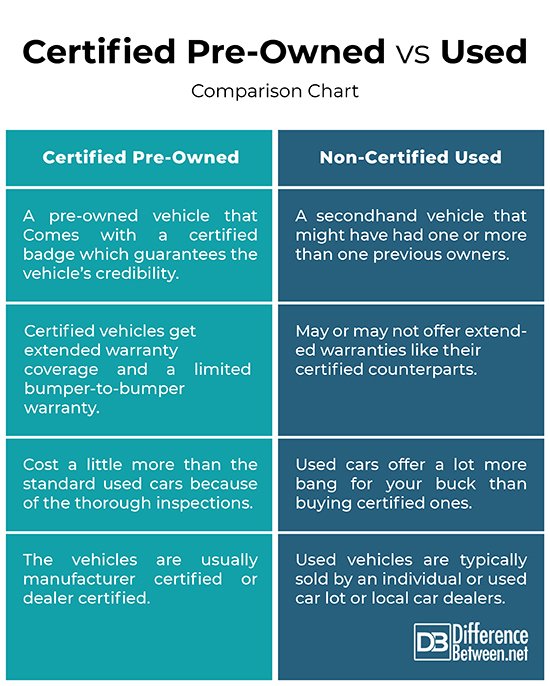
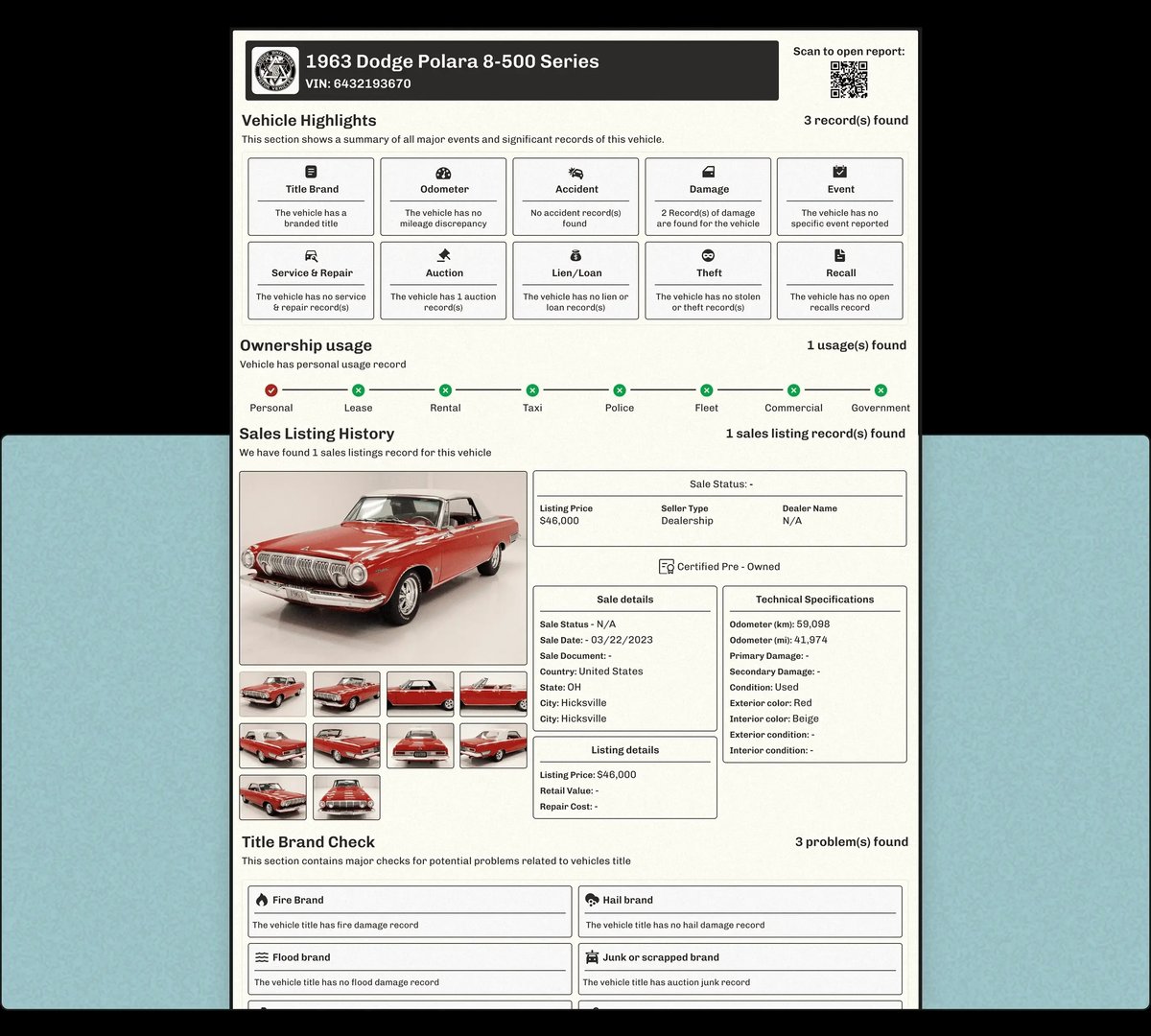
New cars come with the latest safety technology, full factory warranties, and that unmistakable new-car smell, but they also depreciate roughly 20 percent the moment you drive off the lot and lose about 60 percent of their value over the first five years. Certified pre-owned vehicles offer a middle ground: they are typically two to four years old, have passed a manufacturer inspection, and include an extended warranty backed by the automaker. The premium for CPO status usually ranges from one to three thousand dollars over a comparable non-certified used car, which is often worth it for the warranty coverage alone. Traditional used cars offer the lowest purchase price but require the most diligence. A pre-purchase inspection by an independent mechanic is non-negotiable when buying used, even if the car looks clean and the seller seems honest. Always run a vehicle history report through Carfax or AutoCheck to check for accidents, title issues, flood damage, and odometer discrepancies. A single undisclosed accident can reduce a car's value by ten to thirty percent.

The Test Drive and Inspection

A proper test drive goes beyond a quick loop around the block. Test the car in conditions that reflect your daily driving: highway merging, stop-and-go traffic, parallel parking, and rough pavement if your area has it. Listen for unusual noises from the engine, transmission, suspension, and brakes. Check that every electronic feature works, from the infotainment screen to the heated seats to the backup camera. Pay attention to seat comfort and driving position since you will spend hundreds of hours in this seat. For used cars, bring a checklist: check tire tread depth with a penny test, look for uneven wear that indicates alignment issues, inspect under the oil cap for sludge that suggests neglected maintenance, and check for paint overspray that might reveal body repairs. Bring a friend or family member who is not emotionally invested in the purchase; they will notice things you overlook in your excitement. If anything feels off during the test drive, walk away. There will always be another car.

Negotiation and Closing the Deal

Negotiation is where many buyers leave money on the table. Research the market value of your target vehicle using multiple sources before you walk in. Know the invoice price, the average transaction price in your region, and any manufacturer incentives or rebates currently available. Negotiate the out-the-door price, which includes the vehicle price plus taxes, title, registration, and all fees, rather than the monthly payment. Dealers sometimes try to bundle negotiations by asking what monthly payment you want while hiding a higher vehicle price inside a longer loan term. If the dealer presents a worksheet with numbers you do not recognize, ask for a line-by-line explanation of every charge. Common junk fees include documentation fees far above the state average, advertising fees, and dealer prep charges. Be prepared to walk away at any point. The person most willing to leave the table holds the negotiating power. Once you agree on a price, review the contract carefully before signing. Ensure the numbers match what was discussed and that no extras were added without your knowledge. A car purchase is a binding legal agreement, not just a handshake deal.

Beyond the transaction itself, smart buyers think ahead to insurance, extended warranties, and gap coverage. Insurance should be quoted before you commit to a specific vehicle, as premiums can vary by hundreds of dollars per year between models that cost the same to purchase. Extended warranties sold by dealerships are almost always overpriced relative to the expected repair costs they cover. Manufacturer-backed extended service contracts purchased online from competing dealers are often half the price for identical coverage. Gap insurance, which covers the difference between your loan balance and the car's actual cash value if it is totaled, is worth considering if you put down less than 20 percent. However, gap coverage from your auto insurer typically costs a fraction of what the dealership finance office charges. Spend a few hours researching these post-purchase items before you sit down to sign, and you will save hundreds more on top of the savings from negotiating the vehicle price itself.
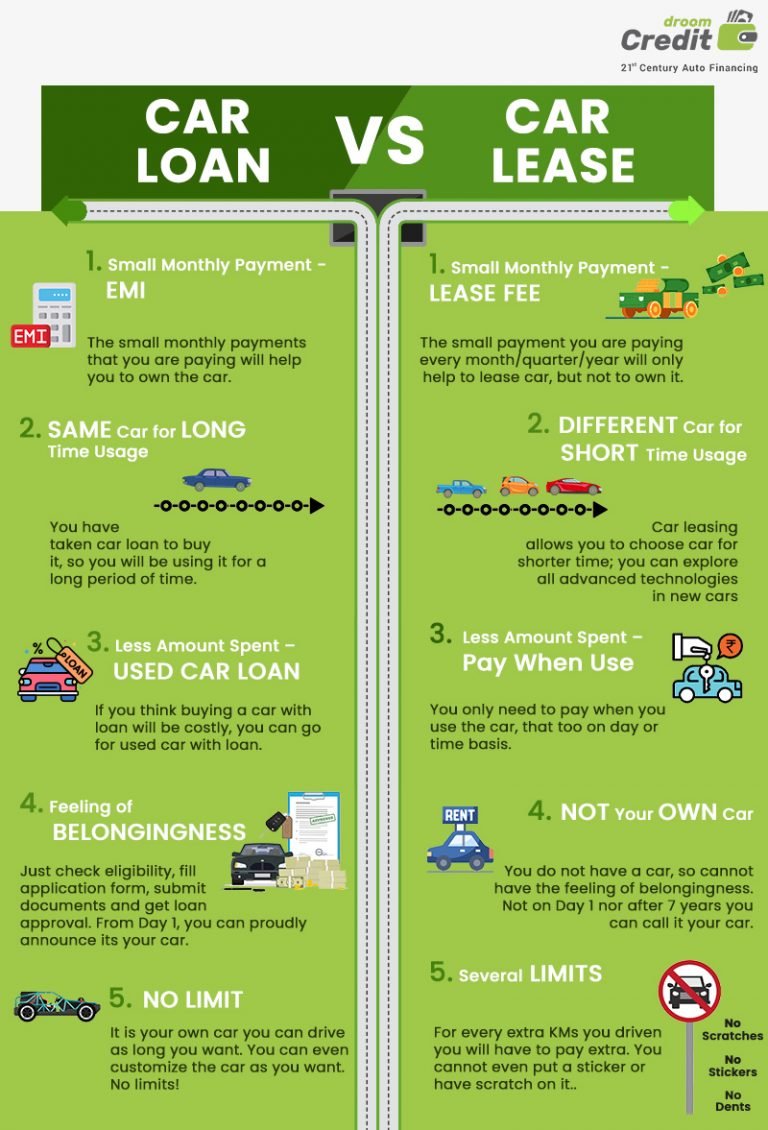

Car Loan vs Lease: Which Financing Option Saves More Money in 2026

Car Loan vs Lease: Which Financing Option Saves More Money in 2026

Compare car loan vs lease costs in 2026. Monthly payment breakdown, hidden fees, mileage penalties, tax implications, and when each option saves you money.

2026 First-Time Car Buyer Guide: Save Money & Avoid Mistakes

2026 First-Time Car Buyer Guide: Save Money & Avoid Mistakes

Complete walkthrough for first-time car buyers in 2026. Learn the 20/4/10 rule, pre-approval vs dealer financing, test drive checklist, and finance office red flags.

CPO vs Used Car: Is the Premium Worth It in 2026?

CPO vs Used Car: Is the Premium Worth It in 2026?

Compare certified pre-owned vs used cars in 2026. We analyze CPO costs, warranty value, and top programs from Lexus, BMW, Toyota, and Honda to help you decide.

Hidden Costs of Car Ownership Americans Underestimate Every Year

Hidden Costs of Car Ownership Americans Underestimate Every Year

Depreciation, insurance, maintenance, and fuel costs add thousands to your annual car expenses. We break down the real numbers every US driver needs to know.

How to Read a Used Car History Report and Spot Dealbreakers

How to Read a Used Car History Report and Spot Dealbreakers

Learn to decode CarFax and AutoCheck reports, identify accident severity tiers, spot title brands like salvage and flood, and catch odometer rollback signs before buying a used car.

5 Must-Know Factors Before Buying a Used Car

5 Must-Know Factors Before Buying a Used Car

Learn the five critical factors for buying a used car in 2026. From vehicle history reports to mechanical inspections, this guide helps you avoid costly mistakes.

5 Smart Tips for Choosing Car Insurance in 2026

5 Smart Tips for Choosing Car Insurance in 2026

Learn the five critical factors to consider when shopping for car insurance in 2026. From coverage options to discounts, this guide helps you save money and stay protected.

Before You Step Foot in a Dealership

Buying a car is one of the largest financial decisions most people make, and preparation separates a good deal from years of regret. The process begins not with browsing listings but with an honest assessment of your needs and budget. What do you actually need the vehicle to do every day, as opposed to the edge cases you worry about once a year? A vehicle that carries one person on a highway commute has fundamentally different requirements from one that transports three children and their sports equipment through winter weather. Separating daily needs from occasional wants prevents paying for capability you will use twice a year while compromising on comfort and efficiency you experience every time you drive.

Budgeting for a car extends beyond the monthly payment. Insurance costs vary dramatically between models. A sports sedan may cost twice as much to insure as a similarly priced crossover. Fuel or electricity costs accumulate monthly and should be estimated based on your actual annual mileage, not optimistic assumptions. Maintenance costs for luxury brands run significantly higher than mainstream brands even for routine service like brake pads and oil changes. Depreciation, the single largest cost of car ownership, hits some models harder than others. Vehicles with strong resale value like the Toyota Tacoma, Porsche 911, and Jeep Wrangler can cost less to own over five years than cheaper vehicles that depreciate faster. Online total cost of ownership calculators from Edmunds, Kelley Blue Book, and Consumer Reports provide five-year estimates that include all these factors, giving a more accurate picture than the purchase price alone.

Financing should be arranged before visiting dealerships. Getting pre-approved through a credit union, bank, or online lender establishes a baseline interest rate and loan amount. When the dealer finance office offers their rate, you can compare it directly against your pre-approval rather than guessing whether their offer is competitive. Dealers make significant profit from financing markups, so having outside financing approved gives you negotiating leverage. Credit scores above seven hundred forty typically qualify for the best rates. Below six hundred sixty, rates increase substantially and a larger down payment reduces the amount financed at unfavorable terms. The twenty percent down payment rule of thumb protects against being underwater on the loan immediately after purchase due to the initial depreciation hit when driving off the lot.

New vs. Used: The Modern Calculation

The traditional advice that used cars are always the smarter financial choice has become less clear-cut in recent years. New vehicle supply has stabilized since the pandemic disruptions, and manufacturer incentives including subsidized financing rates, lease deals, and cash rebates have returned. A new car with zero-percent financing for sixty months may have lower monthly payments than a three-year-old used car financed at seven percent, despite the used car lower purchase price. New vehicles also come with full factory warranties, the latest safety technology, and the certainty of a known maintenance history. For buyers who keep vehicles for eight to ten years, purchasing new at a competitive price with low financing costs can be financially sound.

Used vehicles offer their best value in the three- to five-year range, where the steepest depreciation has already occurred but the vehicle still has substantial remaining service life. Certified pre-owned programs from manufacturers extend the original warranty and require a multi-point inspection, providing some of the new-car peace of mind at a discount. Independent pre-purchase inspections by a trusted mechanic are essential for any used vehicle purchase, costing one to two hundred dollars and often revealing issues that allow you to negotiate the price down or walk away from a problem vehicle. Vehicle history reports from Carfax or AutoCheck identify accident history, title issues, and odometer discrepancies but do not capture mechanical problems or poor maintenance.

Electric vehicle depreciation creates unique opportunities and risks in the used market. EVs have depreciated faster than comparable gasoline vehicles, driven by rapid technology improvements, federal tax credits on new models that effectively lower their transaction prices, and buyer uncertainty about battery longevity. This creates bargains for buyers willing to research battery health using tools like Recurrent that track real-world battery degradation data for specific VINs. A three-year-old EV with ninety percent battery capacity remaining and plenty of service life ahead can represent exceptional value. However, the flip side is that buying a new EV requires accepting faster depreciation than a comparable gasoline vehicle, a tradeoff against lower operating costs that each buyer must calculate based on their expected ownership period and annual mileage.

The Dealership Negotiation

The traditional dealership negotiation model is slowly changing. Some manufacturers including Tesla, Rivian, and Lucid sell directly to consumers at fixed prices with no negotiation, a model that eliminates the adversarial dynamic many buyers dislike. Among traditional franchised dealers, the internet has transformed the process. Most dealers now have internet sales departments that handle inquiries by email or phone and can provide out-the-door pricing before you visit the showroom. Soliciting quotes from three to five dealers on a specific vehicle creates competition that works in your favor. Dealers know that a customer who has done their research and has competing offers is a customer who will walk away from a bad deal.

The four-square worksheet, a classic dealership tactic that mixes the vehicle price, trade-in value, down payment, and monthly payment into one confusing negotiation, should be refused outright. Negotiate each element separately and in order: first the out-the-door price of the new vehicle, then the trade-in value if applicable, then discuss financing or payment method. Dealers profit from each element, and combining them allows profits in one area to subsidize apparent concessions in another. Extended warranties, paint protection, fabric treatment, VIN etching, and other finance office add-ons are almost never good value at dealership prices. Manufacturer-backed extended warranties purchased separately, not from the selling dealer, can be worthwhile for vehicles with expensive potential repairs but should be researched and priced independently before the finance office presentation.

The test drive is your most important data point and cannot be replicated by any amount of online research. Drive the vehicle on roads you know, at speeds you normally travel. Test the seating position for at least twenty minutes, as minor discomfort in the showroom becomes significant pain on a road trip. Check rear visibility, blind spots, and the ease of installing child seats if relevant. Operate the climate controls, audio system, and infotainment without looking at the manual. If anything about the driving experience feels off during the test drive, it will not improve with time. Walk away and try another vehicle. The car market is large enough that no single model is irreplaceable.