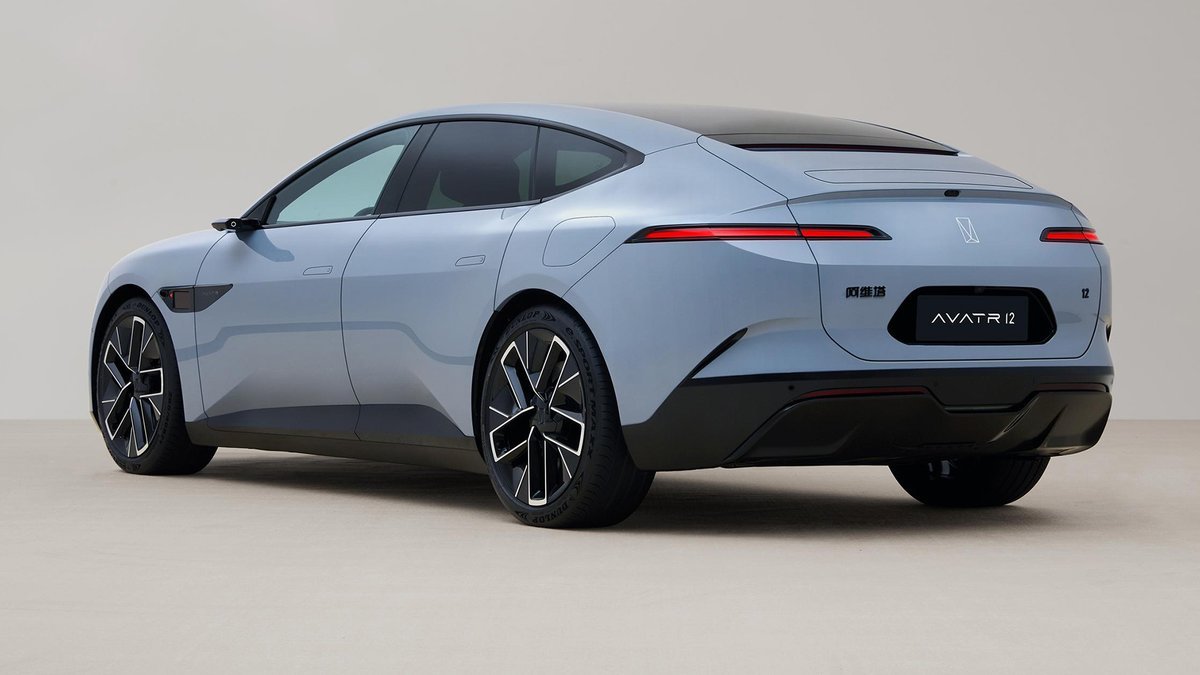
The shift toward electric vehicles represents the most significant transformation in personal transportation since the automobile replaced the horse. Whether you are curious about making the switch, researching your first EV purchase, or simply trying to understand the technology, this guide covers the fundamentals of electric and hybrid vehicles. Battery electric vehicles, plug-in hybrids, and traditional hybrids each serve different use cases, and understanding their differences is the first step toward choosing the right electrified vehicle for your lifestyle. The pace of advancement in battery technology, charging infrastructure, and vehicle offerings means that information from even two years ago may already be outdated. We track the latest developments across every major automaker, from Tesla's continued dominance to the rapid rise of Chinese manufacturers like BYD, NIO, and XPeng, as well as legacy automakers pouring billions into their electric lineups.
Understanding Battery Electric, Plug-In Hybrid, and Hybrid
Battery electric vehicles run entirely on electricity stored in a large lithium-ion battery pack. They produce zero tailpipe emissions, have far fewer moving parts than internal combustion engines, and offer instant torque that makes even affordable EVs feel quick off the line. Typical ranges now span from 200 to over 400 miles on a single charge, with premium models pushing past 500 miles. Plug-in hybrid electric vehicles combine a smaller battery with a gasoline engine. They can drive 20 to 50 miles on electric power alone, which covers most daily commutes, then switch to gas for longer trips. This dual nature eliminates range anxiety while still providing electric-only operation for local driving. Traditional hybrids like the Toyota Prius use a small battery and electric motor to assist the gas engine, improving fuel efficiency without requiring plug-in charging. They recover energy through regenerative braking and cannot drive on electricity alone beyond very short distances at low speeds. Each type suits different driving patterns. A full EV works best for homeowners with garage charging and predictable daily mileage. A PHEV bridges the gap for drivers who want electric daily driving but take frequent road trips. A traditional hybrid remains the simplest way to improve fuel economy without changing driving habits.
Charging Infrastructure and Daily Practicality
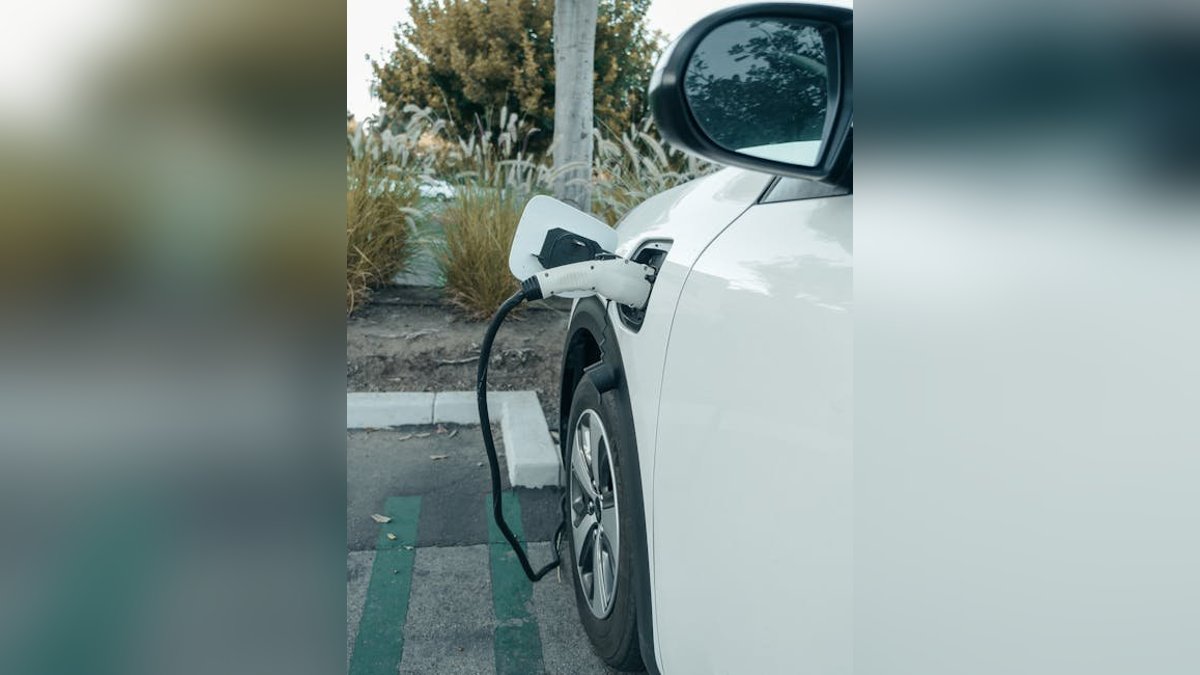
Charging is the single most important practical consideration for EV ownership. Level 1 charging uses a standard 120-volt household outlet and adds roughly three to five miles of range per hour, enough for drivers who travel fewer than 40 miles daily. Level 2 charging uses a 240-volt circuit, the same as an electric dryer or oven, and adds 20 to 40 miles of range per hour. Most homeowners install a Level 2 charger in their garage, which fully recharges an EV overnight. DC fast charging is the public charging option you use on road trips, capable of adding 200 miles of range in 15 to 30 minutes depending on the vehicle and charger. Tesla's Supercharger network remains the gold standard for reliability and coverage, but other networks like Electrify America, EVgo, and ChargePoint are expanding rapidly. The North American Charging Standard originally developed by Tesla is being adopted by nearly every major automaker, which will simplify the charging experience considerably in coming years. For apartment dwellers and those without home charging, workplace charging and public stations become essential. Before buying an EV, map out where you will charge it regularly. If reliable charging is not available at home or work, a hybrid or PHEV may be the more practical choice.
Total Cost of Ownership and Incentives
Electric vehicles typically cost more upfront than comparable gasoline cars, but the total cost of ownership often favors EVs over a five to seven year period. Electricity is cheaper than gasoline per mile in virtually every region. Maintenance costs are substantially lower because EVs have no oil changes, no transmission fluid, no spark plugs, no timing belts, and regenerative braking dramatically extends brake pad life. The primary maintenance items are tire rotations, cabin air filters, and eventually brake fluid changes. Battery degradation is a common concern, but real-world data shows most EV batteries retain over 80 percent of their original capacity after 200,000 miles. Federal tax credits of up to seven thousand five hundred dollars are available for qualifying new EVs, with income limits and vehicle price caps. Many states offer additional rebates, reduced registration fees, and HOV lane access. Used EV tax credits of up to four thousand dollars are also available. Check the IRS and your state's energy office for current eligibility requirements, as the list of qualifying vehicles and the rules governing battery component sourcing change periodically. Some utilities offer reduced electricity rates for overnight charging, which can cut fuel costs even further.
The Used EV Market and Battery Health
The used electric vehicle market has matured to the point where compelling options exist at nearly every price point. A three-year-old EV with 30,000 miles typically sells for 40 to 50 percent less than its original MSRP, a steeper depreciation curve than comparable gasoline cars. This represents an extraordinary value opportunity for buyers who do not need the latest technology. When evaluating a used EV, battery state of health is the critical metric. Most EVs provide a battery health reading through the dashboard or infotainment system, and a professional pre-purchase inspection can include a detailed battery diagnostic that measures capacity loss, cell voltage balance, and charge curve integrity. Battery degradation is gradual and predictable, not sudden. An EV showing 90 percent of original capacity at 50,000 miles will likely show 85 percent at 100,000 miles. Avoid vehicles that were predominantly fast-charged, especially early models without active thermal management, as DC fast charging generates more heat stress on the battery than Level 2 charging. Cold-climate EVs may show faster degradation due to the strain of repeated heating cycles and operation at low states of charge. The most reliable used EVs, based on owner survey data, include the Chevrolet Bolt, Tesla Model 3, Hyundai Kona Electric, and Kia Niro EV. Each offers solid range, proven battery longevity, and an active community of owners who have documented real-world degradation patterns over hundreds of thousands of miles.
The Electric Vehicle Revolution Has Arrived
Electric vehicles have crossed the threshold from early-adopter novelty to mainstream transportation. Global EV sales surpassed eighteen million units in 2025, representing roughly one in five new cars sold worldwide. Norway leads adoption at over ninety percent of new car sales being fully electric, with China, Europe, and California following at accelerating rates. The driving forces behind this shift include dramatic reductions in battery costs, expanding charging infrastructure, government emissions regulations, and a growing selection of compelling EV models across every segment from compact hatchbacks to full-size pickup trucks.
The economics of EV ownership have reached a tipping point. While purchase prices remain somewhat higher than comparable internal combustion vehicles for many segments, total cost of ownership now favors EVs in most use cases. Electricity costs per mile average one-third to one-half of gasoline costs. Maintenance is fundamentally simpler: no oil changes, no transmission fluid, no spark plugs, and regenerative braking that extends brake pad life to over one hundred thousand miles. The primary long-term cost variable is battery degradation, which studies of high-mileage Teslas and early Nissan Leafs show averages roughly ten to fifteen percent capacity loss over two hundred thousand miles, well within usable limits for the vehicle service life.
Range anxiety, once the primary barrier to EV adoption, is fading for most drivers. New EVs in the mid-price segment routinely offer over three hundred miles of rated range. Fast charging networks like Tesla Supercharger network, now open to most other brands in North America and Europe, and third-party networks like Electrify America, Ionity, and ChargePoint have reduced route-planning friction. The average American drives under forty miles per day, a distance easily covered by even entry-level EVs with under two hundred miles of range. For apartment dwellers without home charging, workplace and public charging infrastructure continues to expand, though this remains the most significant practical barrier for a meaningful portion of potential buyers.
Choosing the Right EV for Your Needs
Battery chemistry directly affects how an EV performs in daily use. Lithium iron phosphate batteries, used in standard-range Tesla Model 3 and Model Y vehicles and most BYD models, offer excellent longevity and safety at a lower cost, but they are heavier for a given range and charge more slowly in cold weather. Nickel-manganese-cobalt batteries provide higher energy density and faster cold-weather charging at a higher cost. Most premium and long-range EVs use NMC chemistry. When choosing an EV, consider whether you prioritize maximum range for road trips, favoring NMC, or lower purchase price and maximum battery longevity for daily commuting, favoring LFP.
Charging speed matters more than many buyers realize. A vehicle peak charging rate in kilowatts and its charging curve determine how long you will spend at fast chargers on road trips. The Hyundai E-GMP platform vehicles like the Ioniq 5 and Kia EV6 use eight-hundred-volt architecture that charges from ten to eighty percent in under eighteen minutes under ideal conditions. Most current EVs use four-hundred-volt architecture and take twenty-five to thirty-five minutes for the same charge. For home charging, a Level 2 charger on a fifty-amp circuit adds roughly twenty-five to thirty miles of range per hour, fully recharging most EVs overnight. The included Level 1 charger that plugs into a standard household outlet adds only three to five miles per hour, sufficient only for drivers with very short daily commutes.
Home charging installation requires an electrician to assess your panel capacity and install a dedicated circuit. Costs range from five hundred to two thousand dollars depending on panel location, available capacity, and permitting requirements. Many utilities offer rebates or reduced electricity rates for off-peak EV charging. Renters face additional challenges, though an increasing number of apartment complexes and employers offer on-site charging. Public charging networks vary significantly in reliability by region. Tesla Supercharger network consistently ranks highest in uptime and ease of use, while third-party networks show greater variability. Checking PlugShare reviews for chargers along your regular routes provides real-world insight into what ownership will actually be like.
Leading EV Models Across Segments
The Tesla Model Y and Model 3 remain the default recommendations for many buyers, and for good reason. The Supercharger network, over-the-air software updates, and mature powertrain engineering create a polished ownership experience. The Model Y offers exceptional interior space for its footprint, competitive pricing after federal tax credits, and access to the widest fast-charging network. Criticisms include a firm ride on larger wheels, cabin materials that trail luxury competitors, and a centralized touchscreen interface that places nearly all controls including side mirror adjustment and glovebox opening in the screen rather than on physical buttons.
The Hyundai Ioniq 5, Kia EV6, and Genesis GV60 share the E-GMP platform and represent compelling alternatives. Eight-hundred-volt architecture enables class-leading charging speeds. Interior design in the Ioniq 5 emphasizes spaciousness with a flat floor and sliding center console. The EV6 offers a more sporting character with sharper handling. Both come with generous standard equipment and ten-year powertrain warranties that exceed Tesla coverage. The Ford Mustang Mach-E combines familiar branding with competitive range and an interior that blends physical controls with a large touchscreen, appealing to buyers transitioning from traditional brands.
In the premium segment, the BMW i4 and iX deliver the build quality, ride comfort, and cabin refinement expected from BMW, with electric powertrains that happen to be excellent rather than defining the entire experience. The Mercedes EQE and EQS sedans prioritize interior luxury and ride isolation over driving engagement. Porsche Taycan remains the benchmark for EV driving dynamics, with steering, chassis control, and build quality that justify its premium price. The Lucid Air Grand Touring holds the range crown at over five hundred miles, achieved through in-house motor and inverter design that maximizes efficiency at every point in the power delivery chain. For truck buyers, the Ford F-150 Lightning, Rivian R1T, and Chevrolet Silverado EV bring electric propulsion to the pickup segment with competitive towing and payload capabilities.
The Road Ahead for EVs
Solid-state batteries represent the next major leap, promising roughly double the energy density of current lithium-ion cells with faster charging and inherently safer chemistry. Toyota, Nissan, and Samsung SDI have announced production timelines targeting 2027 to 2028 for first-generation solid-state batteries in production vehicles. These batteries could enable five-hundred-mile ranges in smaller, lighter packs that charge from ten to eighty percent in under fifteen minutes. However, manufacturing scale-up challenges have pushed back solid-state timelines repeatedly, and initial production will be limited to premium models until costs decrease.
Vehicle-to-grid technology allows EVs to serve as home battery backup and grid stabilization assets. The Ford F-150 Lightning and Hyundai Ioniq 5 already support bidirectional charging, powering a home for several days during an outage or feeding electricity back to the grid during peak demand periods. As utilities implement time-of-use rate structures that vary electricity prices throughout the day, the ability to charge when electricity is cheap and discharge or reduce charging when it is expensive transforms an EV from a transportation expense into a potential revenue source. This capability requires compatible home charging hardware and utility interconnection agreements, both of which are expanding rapidly in markets like California, Texas, and the United Kingdom.