Chinese Auto Brands
Tracking Chinese automakers as they go global.
Top 20 Chinese Auto Brands Going Global in 2026
Chinese automakers are no longer just domestic players — they're rapidly expanding into Europe, Southeast Asia, Latin America, and beyond. Here are the 20 brands leading China's automotive revolution.
- BYD — World's largest NEV maker, dominating EV sales globally with Seagull, Dolphin, Seal, Han, Atto 3, Yangwang U8
- Geely — Owns Volvo/Polestar/Lotus, won TCR World Tour, making global waves with Zeekr premium EVs
- NIO — Premium EV brand with battery-swap tech, expanding to Europe with ET7, ET5, EL7
- XPeng — 800V platform leader with XNGP autonomous driving, G6 and G9 competing globally
- Li Auto — Extended-range EV specialist, best-selling premium SUVs in China with L series
- Great Wall Motor (GWM) — Haval/Ora/Tank brands, strong in Australia, Southeast Asia, and South Africa
- SAIC Motor — MG brand's European success story, Maxus commercial EVs gaining traction
- Chery — China's largest exporter by volume, popular in Russia, Brazil, and Middle East
- Changan — Deepal and Avatr sub-brands pushing into EV space, strong in Middle East
- GAC Motor — Aion EV brand among top-sellers, Trumpchi expanding to Middle East and SE Asia
- Dongfeng — Voyah premium EVs entering Europe, strong commercial vehicle exports
- FAW — Hongqi luxury brand targeting premium European segments with E-HS9 electric SUV
- BAIC — Arcfox EV sub-brand with Huawei inside, strong in South America
- JAC Motors — Strong EV commercial vehicle exports, partnering with Volkswagen
- Leapmotor — Cost-competitive EVs with Stellantis backing for European distribution
- Neta (Hozon) — Affordable EVs targeting Southeast Asia and emerging markets
- IM Motors — SAIC-Alibaba JV, premium smart EVs with solid-state battery plans
- Voyah — Dongfeng's premium EV arm, already selling in Norway market
- Seres — Huawei-powered AITO brand, advanced smart cockpit and autonomous driving
- Xiamen Golden Dragon — Bus and commercial EV specialist, strong in developing markets
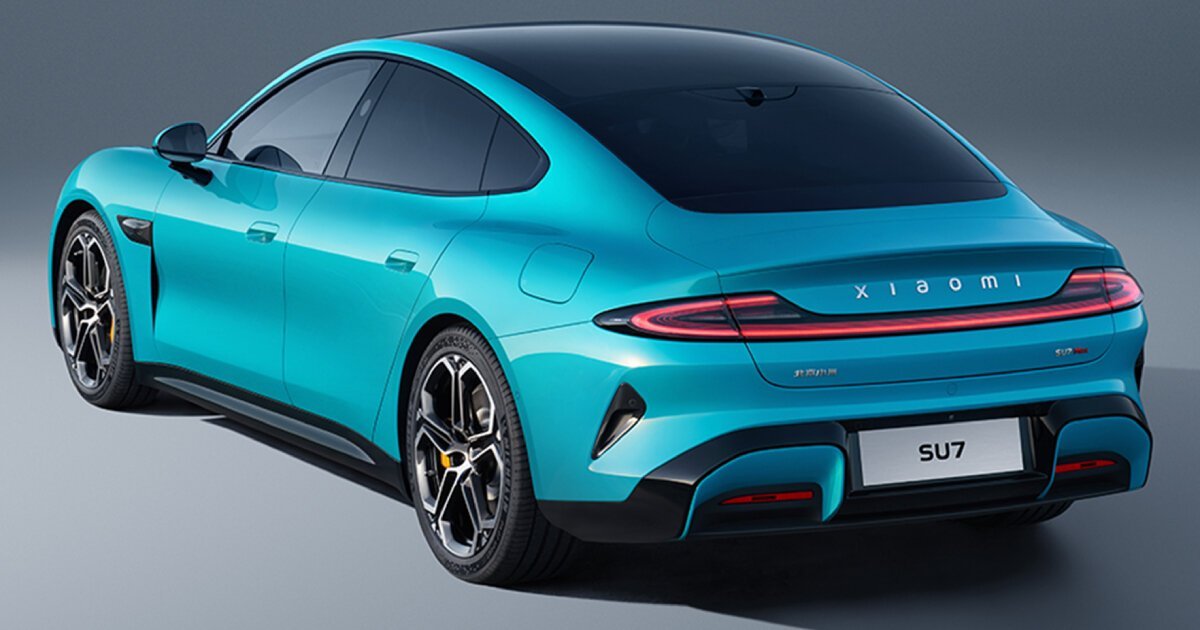
Xiaomi SU7: Is the Smartphone Giant's First EV a Real major advance?
Can a smartphone maker build a better electric car than Tesla? Our deep dive into the Xiaomi SU7 examines specs, range, pricing, and whether it truly disrupts the EV market in 2026.
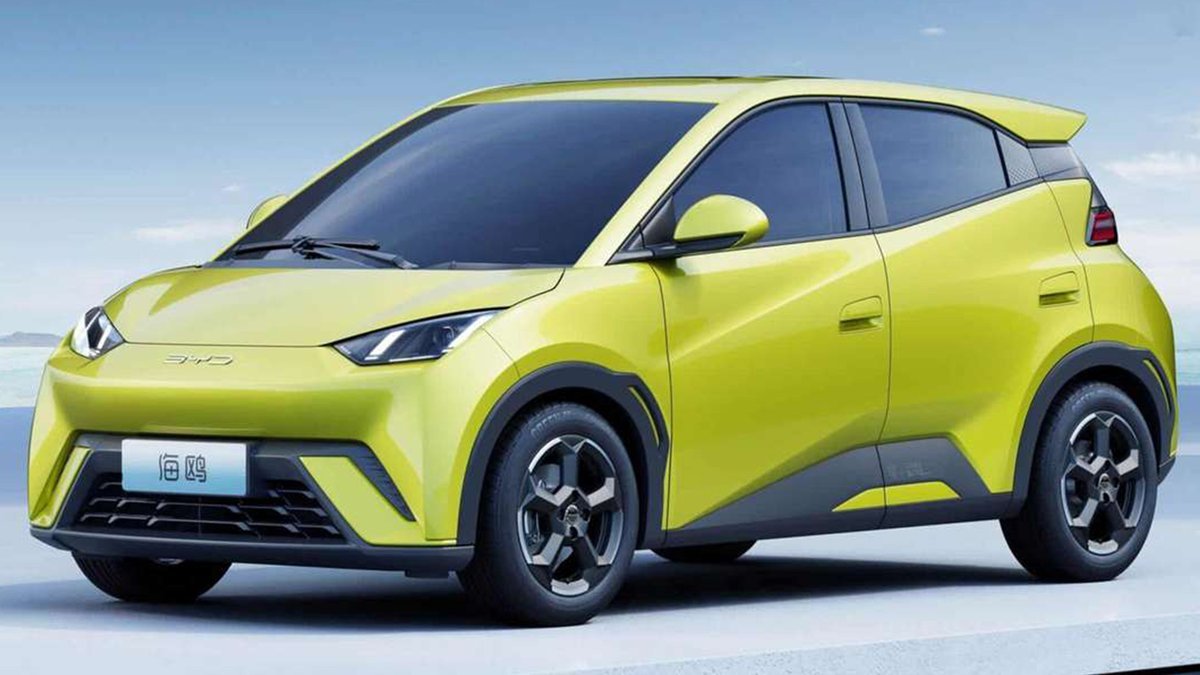
BYD Seagull Review: The $10,000 EV That's Shaking Up Global Markets
Our in-depth BYD Seagull review examines how this $10,000 electric vehicle challenges global automakers with its low price, surprising features, and 250-mile range.
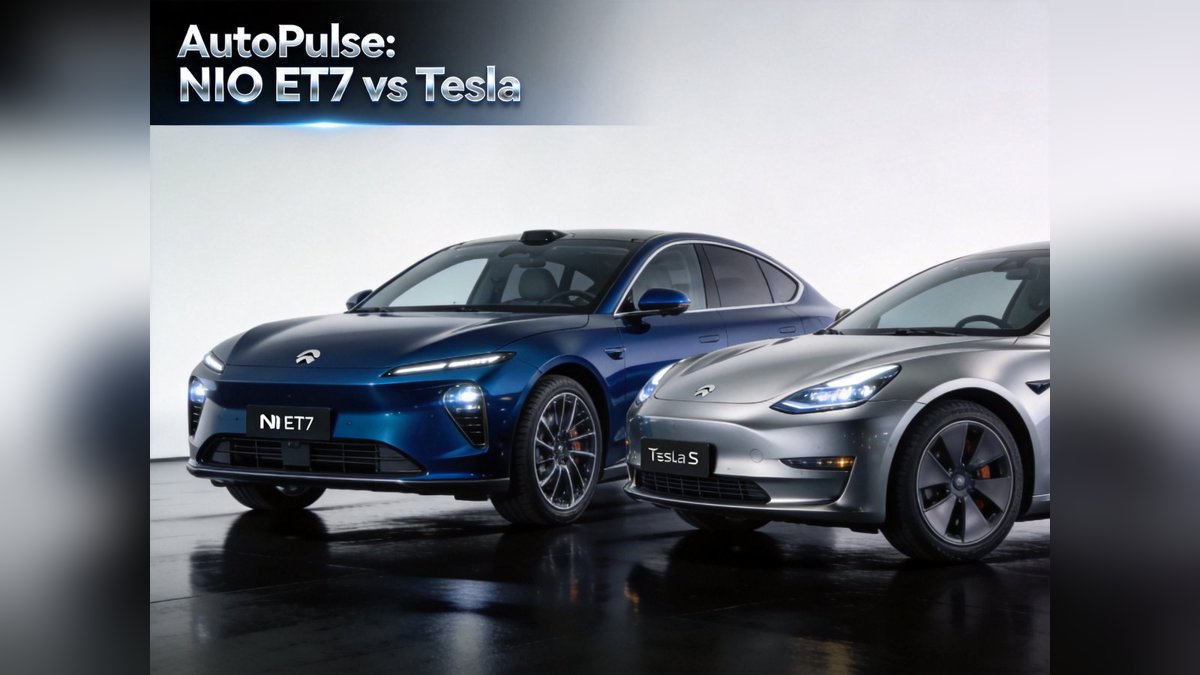
NIO ET7 vs Tesla Model S: China's Luxury EV Takes on the Establishment
We compare NIO ET7 vs Tesla Model S across performance, tech, autonomy, build quality, and ecosystem. Find out which luxury EV sedan comes out on top in 2026.
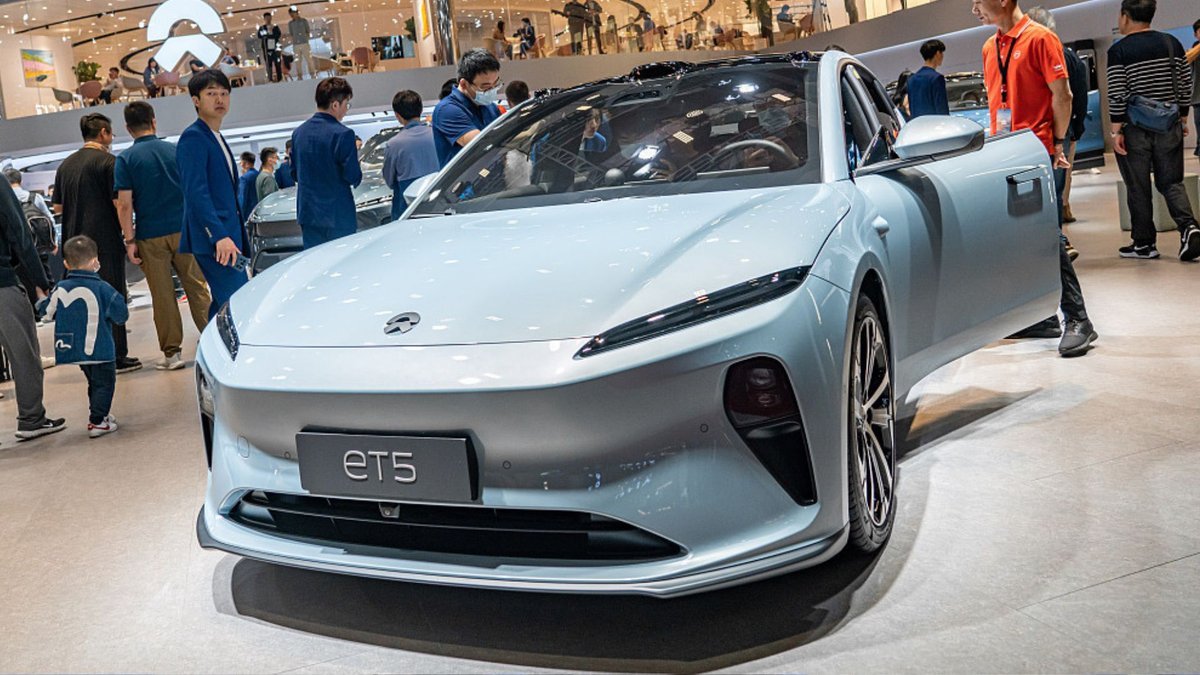
How Chinese EV Makers Are Conquering Europe in 2026
Chinese EV makers are rapidly gaining market share in Europe in 2026. Discover the 5 key strategies behind their success, from aggressive pricing to local partnerships.
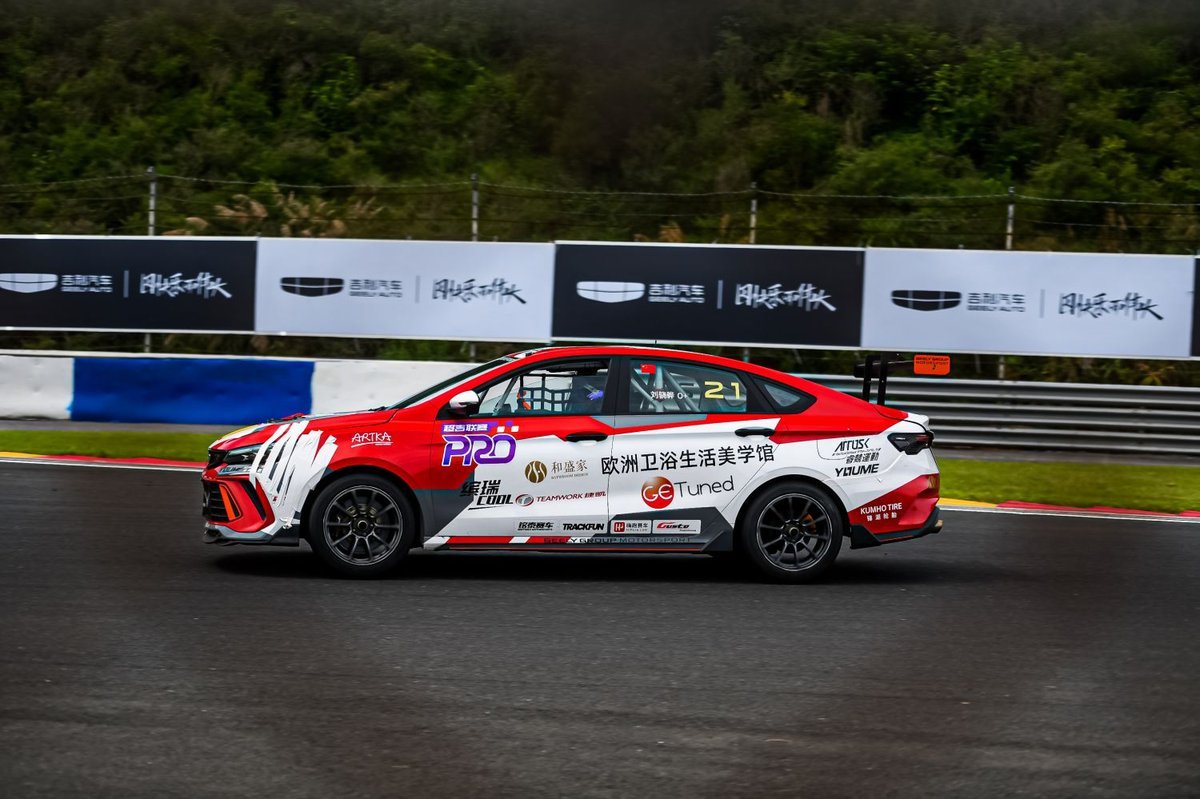
Geely's Racing Dominance: 5 Reasons They Won the Championship
Discover the strategic factors behind Geely's historic production class championship win. From advanced engineering to driver talent, learn how a Chinese automaker conquered the track.
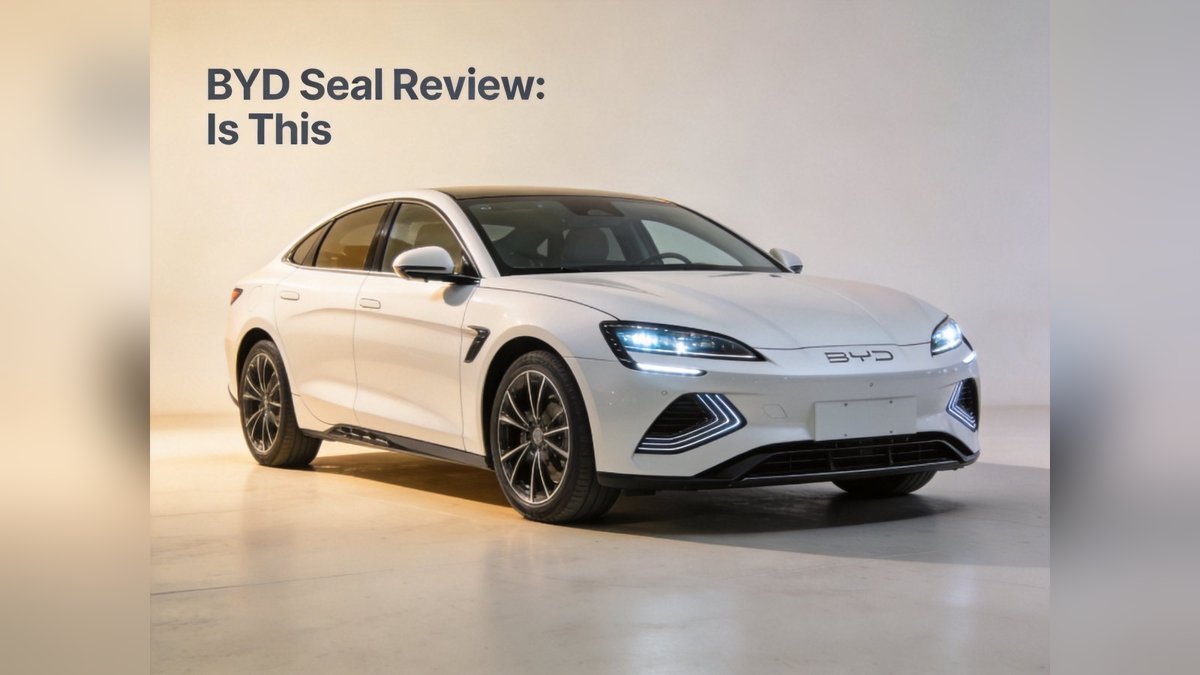
BYD Seal Review: Is This the Tesla Model 3 Killer?
Our in-depth BYD Seal review covers design, range, performance, and technology. See how this electric sedan stacks up against the Tesla Model 3 and why it's winning global attention.
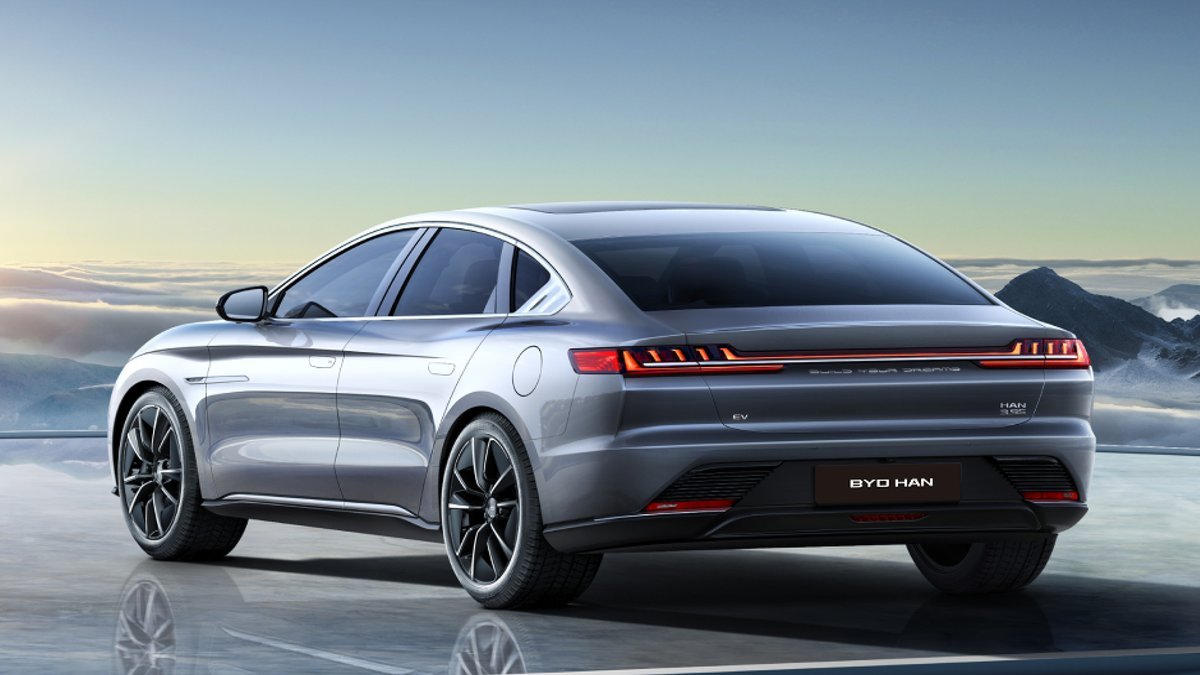
BYD Han EV: How China's Luxury Electric Flagship Redefines Premium
An in-depth analysis of the BYD Han EV, exploring its design, blade battery technology, performance, intelligent features, and how it challenges established luxury electric sedans.
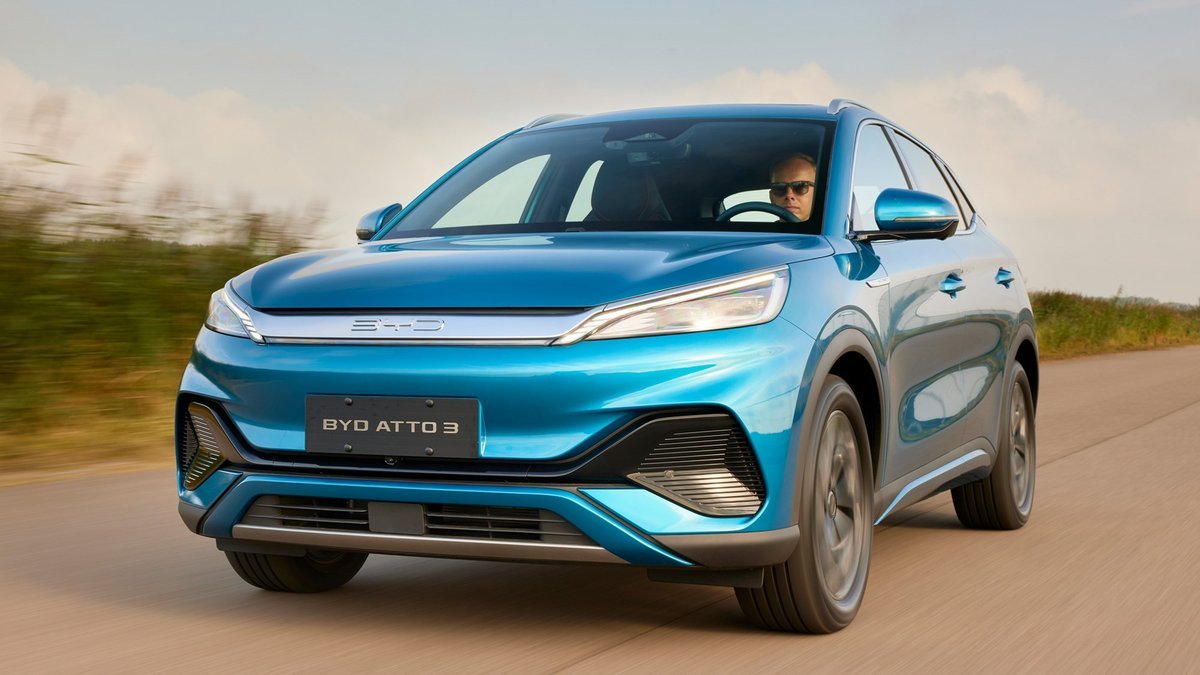
BYD Atto 3 Global Success: Why This Chinese EV SUV Is Selling Like Crazy
Discover why the BYD Atto 3 is dominating global EV sales with its affordable pricing, innovative Blade Battery, spacious design, and strategic market expansion.
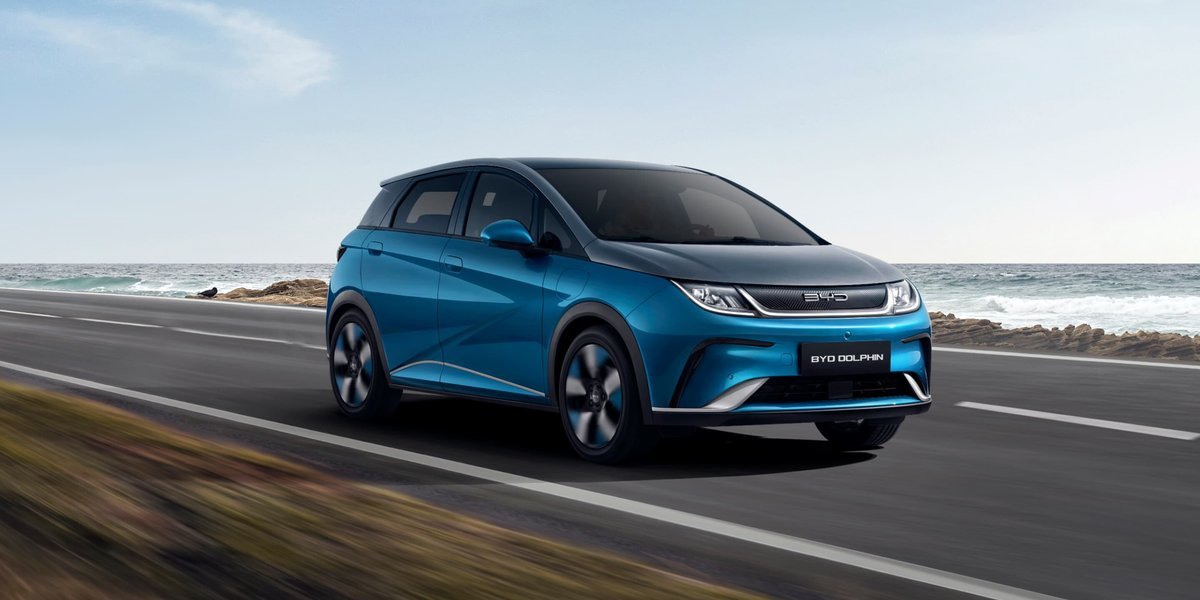
BYD Dolphin Review: Affordable Electric Hatchback for Urban Mobility
Explore the BYD Dolphin, an affordable electric hatchback under $25,000. Compact design, impressive range, and smart tech make it ideal for city driving and daily commutes.
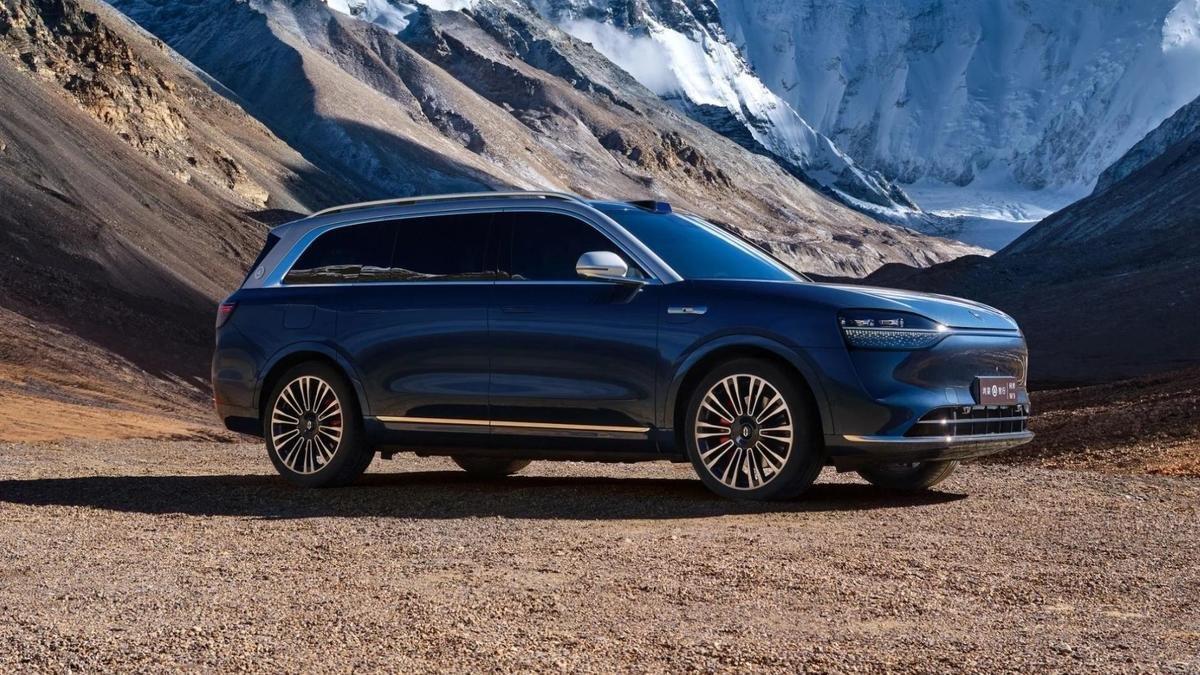
Huawei AITO M9 Review: Tech Giant's Flagship EV SUV with HarmonyOS
In-depth review of the Huawei AITO M9 flagship EV SUV. Explore the HarmonyOS smart cockpit, ADS 2.0 autonomous driving, zero-gravity seats, range, and performance specs.
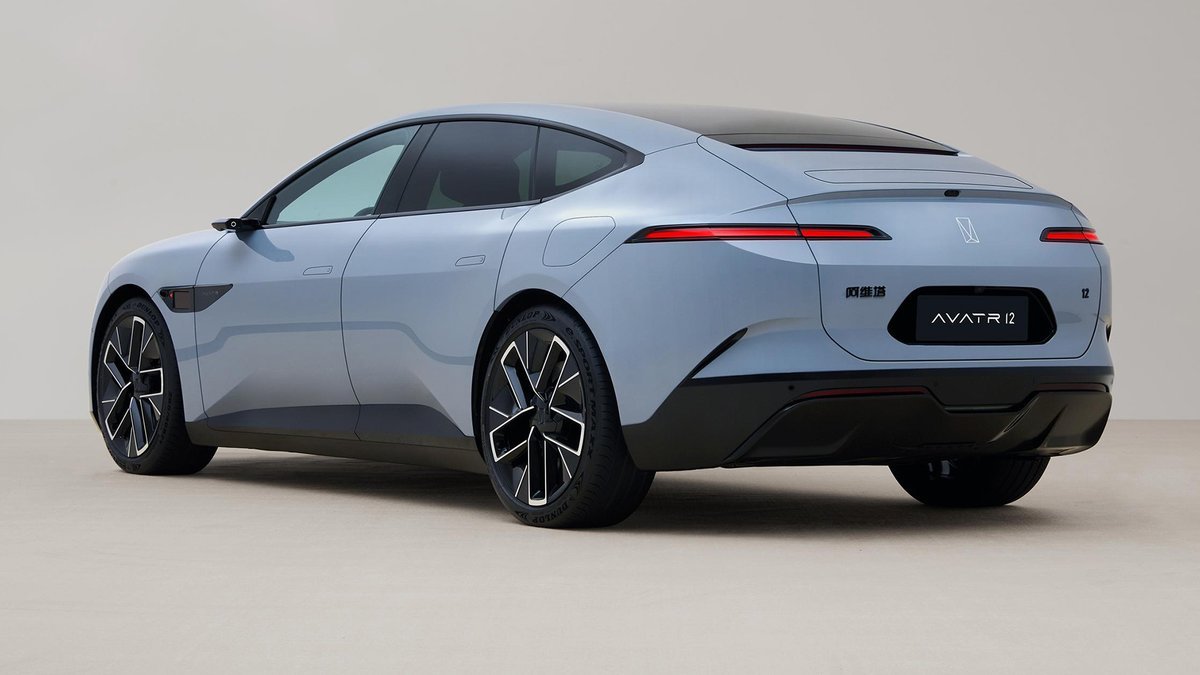
Avatr 12 Review: Huawei-Changan Premium EV with 700km Range
In-depth review of the Avatr 12, the premium electric sedan co-developed by Huawei and Changan. Covers design, Huawei tech, CATL battery, 700km range, and how it stacks up against NIO ET7 and Mercedes EQE.
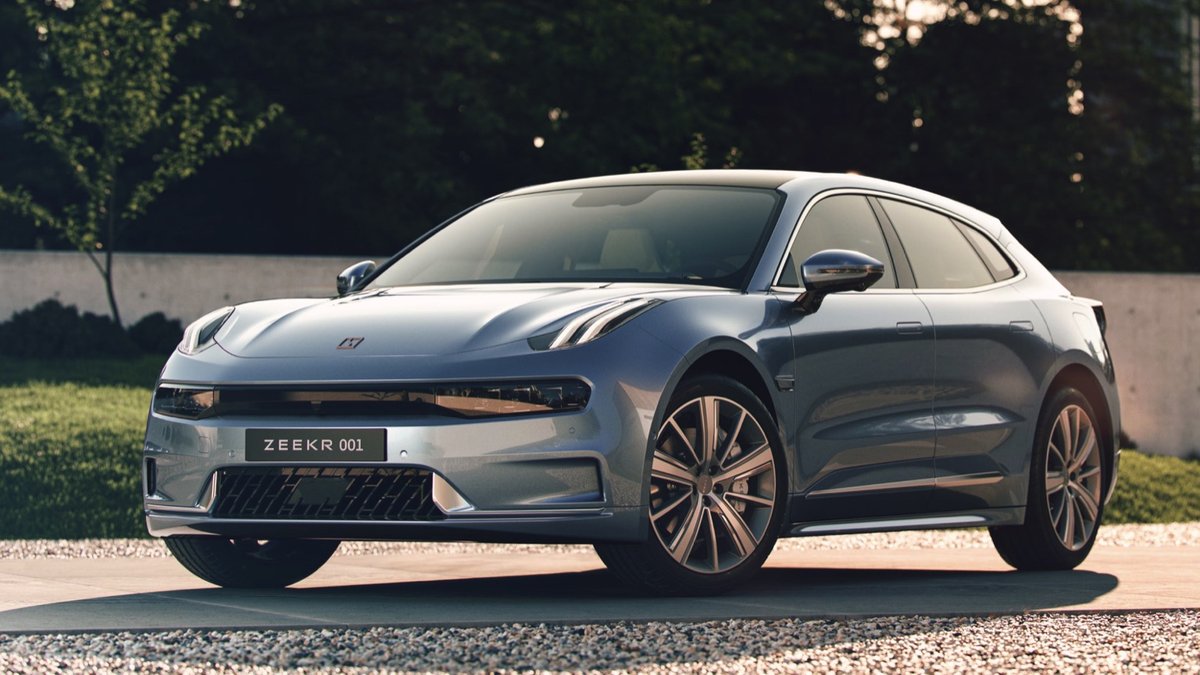
Zeekr 001 Review: Premium EV Shooting Brake Rivals Porsche Taycan
In-depth review of the Zeekr 001, Geely's premium electric shooting brake. Dual-motor specs, range, interior quality, European pricing, and how it undercuts the Porsche Taycan Cross Turismo.
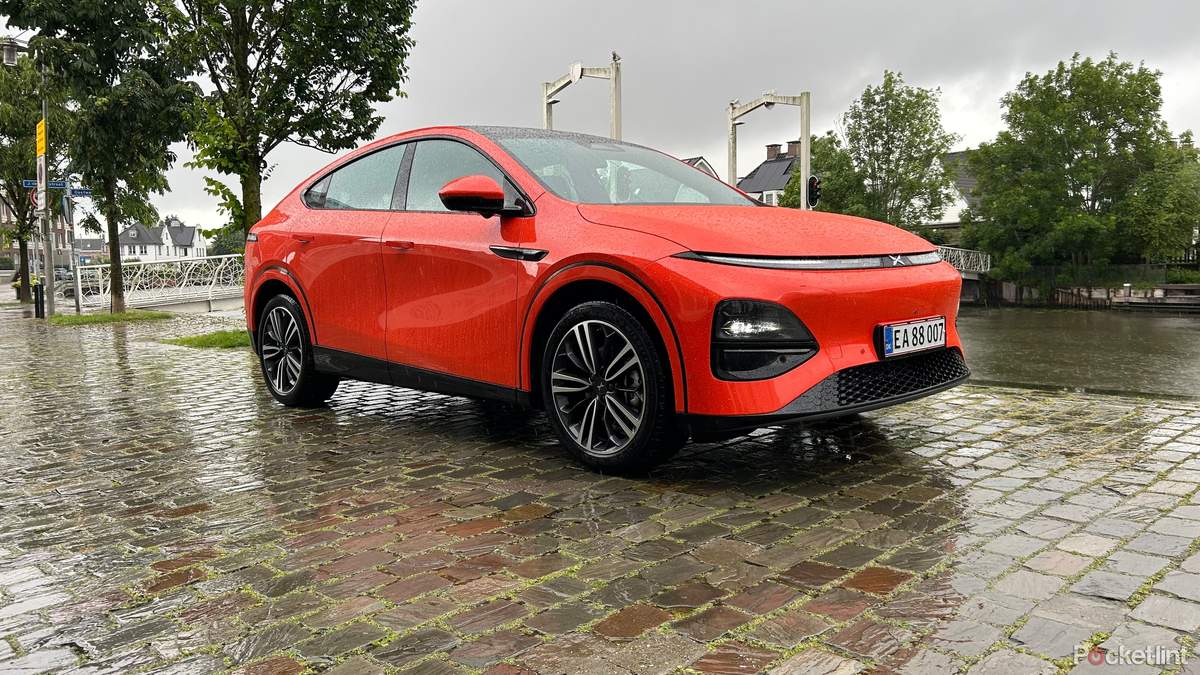
XPeng G6 Review: 800V Charging & XNGP vs Tesla Model Y
In-depth review of the XPeng G6: real-world 800V charging speeds, XNGP autonomous driving vs Tesla FSD, build quality, interior space, and European expansion plans.
The Rise of Chinese Automotive Brands on the Global Stage
Chinese automotive brands have undergone a remarkable transformation over the past decade, evolving from producers of budget economy cars to legitimate competitors in the premium and electric vehicle segments. Companies like BYD, NIO, Geely, XPeng, and Zeekr now export vehicles to Europe, Southeast Asia, Australia, and Latin America, challenging established automakers on their home turf. This shift is driven by massive investment in research and development, government support for the electric vehicle transition, and a domestic market large enough to fund global ambitions. The result is a wave of vehicles that offer competitive styling, advanced technology, and aggressive pricing that legacy automakers struggle to match.
BYD, or Build Your Dreams, has emerged as the most globally significant Chinese automaker. The company sold over three million vehicles in 2025, surpassing Tesla in global EV sales. BYD's vertical integration strategy, manufacturing its own batteries, semiconductors, and electric motors, gives it cost advantages that competitors cannot easily replicate. The Blade Battery, a lithium iron phosphate design that passes nail penetration tests without catching fire, has become a selling point for safety-conscious buyers. BYD's lineup now ranges from the sub-compact Seagull priced under twelve thousand dollars in China to the Yangwang U8 luxury SUV with tank-turn capability and over one thousand horsepower.
NIO takes a different approach, positioning itself as a premium lifestyle brand with a focus on user experience. NIO Houses function as clubhouses for owners in city centers, offering workspaces, childcare, and event spaces rather than traditional dealerships. The company's battery-as-a-service model separates vehicle ownership from battery ownership, allowing buyers to purchase the car at a lower price and subscribe to battery packs that can be swapped at automated stations in under five minutes. NIO's expansion into Europe includes Norway, Germany, the Netherlands, and Sweden, with plans for further growth. The ET7 sedan and EL7 SUV compete directly with the Mercedes EQE and BMW iX in terms of interior quality, technology features, and driving range.
Geely, the parent company of Volvo Cars, Polestar, Lotus, and Zeekr, represents a different strategic path. Rather than building its own brand from scratch globally, Geely acquired established Western brands and transferred technology and manufacturing expertise between them. The Zeekr 001 shooting brake, built on Geely's Sustainable Experience Architecture shared with the Polestar 4, combines European design language developed in Gothenburg with Chinese EV technology and manufacturing scale. This hybrid approach sidesteps some of the brand perception challenges that purely Chinese brands face in Western markets.
Technology Leadership and Innovation
Chinese automakers lead in several technology areas that matter for modern car buyers. CATL and BYD together supply over half of the world's EV batteries, giving Chinese brands priority access to the latest cell chemistry and pack designs. The CATL Qilin battery and BYD Blade Battery represent different philosophies: ternary lithium chemistry for maximum energy density versus lithium iron phosphate for safety and longevity. Both approaches have proven themselves in millions of vehicles on Chinese roads, and both are now being exported in global models.
Autonomous driving technology is another area where Chinese brands have caught up rapidly. XPeng's XNGP system covers city streets, highways, and parking scenarios in over two hundred Chinese cities, using lidar and vision-based perception without relying on high-definition maps. Huawei's ADS system, deployed on AITO and Avatr vehicles, similarly handles complex urban driving scenarios. These systems are not yet available in export markets due to regulatory and mapping requirements, but the underlying technology demonstrates capabilities that rival Tesla's Full Self-Driving and Mercedes' Drive Pilot.
In-car technology and connectivity represent perhaps the most visible Chinese advantage. BYD's rotating touchscreen, NIO's NOMI AI assistant with a physical expression display, and Huawei's HarmonyOS cockpit that seamlessly integrates with Huawei phones and watches create in-car experiences that feel a generation ahead of many legacy automakers. Over-the-air update capability is standard across Chinese EV brands, with some models receiving monthly updates that add new features, improve driving range through efficiency optimizations, and refine autonomous driving performance based on fleet learning from millions of miles of real-world driving data.
What to Consider When Buying a Chinese Brand Vehicle
Parts availability and service infrastructure are the primary concerns for buyers considering a Chinese-brand vehicle outside China. While BYD and NIO are building service networks in Europe and other export markets, coverage remains thin compared to established brands with decades of dealer presence. Warranty terms are generally competitive, with BYD offering six-year comprehensive warranties and NIO providing lifetime warranties in some markets. Independent parts availability for collision repair may take longer than for established brands, a factor worth considering for daily drivers.
Residual values remain uncertain for Chinese brands in Western markets. Early data from European markets shows BYD and Polestar vehicles depreciating somewhat faster than comparable German brands, though the gap narrows each year as brand recognition improves. The rapid pace of technology improvement in Chinese EVs means that a three-year-old model may feel more outdated than a three-year-old German EV, as Chinese brands iterate faster on both hardware and software. This is both an advantage for new car buyers getting the latest technology and a consideration for total cost of ownership calculations.
Safety ratings have improved dramatically. BYD, NIO, and XPeng models have earned five-star Euro NCAP ratings, matching or exceeding the scores of European competitors. The structural battery pack designs that integrate the battery into the vehicle chassis provide exceptional torsional rigidity that benefits both handling and crash protection. Active safety systems are generally included as standard equipment rather than optional extras, reflecting the Chinese market expectation that safety technology should not be an upsell. For buyers who prioritize getting the most technology for their money, Chinese brands represent a compelling value proposition that deserves serious consideration alongside traditional options.
Looking ahead, the trajectory of Chinese automotive brands points toward continued global expansion. Several brands have announced plans to build manufacturing facilities in Europe, Mexico, and Southeast Asia to avoid import tariffs and shorten supply chains. Local production will address the service and parts availability concerns that currently limit adoption in some markets. The brands that succeed globally will be those that invest in localized research and development, adapt their vehicles to regional preferences for ride and handling rather than simply exporting China-market models, and build service networks that match the convenience consumers expect from established competitors. The next five years will determine which Chinese automakers become permanent fixtures on the global stage and which retreat to their protected home market.
For Western consumers, the arrival of Chinese brands fundamentally changes the competitive landscape. When a BYD Seal offers build quality, range, and technology comparable to a Tesla Model 3 at a significantly lower price, or when an XPeng G6 undercuts a comparable Volkswagen ID.4 while offering more advanced driver assistance, the value equation that has defined the industry for decades shifts. Incumbent automakers must respond by accelerating their own technology development and reducing costs, which benefits all consumers regardless of which brand they ultimately choose. Competition from Chinese brands may prove to be the most effective catalyst for accelerating the global transition to electric vehicles, pushing the entire industry forward faster than regulations or climate commitments alone could achieve.