Table of Contents
Your car's tires are the only contact between your vehicle and the road. Proper tire maintenance not only extends the life of your tires but also directly impacts your safety, fuel economy, and ride comfort. According to the National Highway Traffic Safety Administration (NHTSA), tire-related crashes cause nearly 200 fatalities annually in the United States. Yet many drivers overlook basic tire care. In this guide, we cover five critical tire maintenance tasks every driver should perform regularly.
Whether you drive a sedan, SUV, or truck, these tips will help you get the most out of your tires while keeping you and your passengers safe. let's explore in.
1. Maintain Proper Tire Pressure
One of the simplest yet most neglected aspects of tire maintenance is checking tire pressure. Under-inflated tires create excessive rolling resistance, which reduces fuel efficiency and causes premature tread wear on the outer edges. Over-inflated tires lead to a harsh ride and center-tread wear, and they're more prone to damage from potholes or debris.
The recommended pressure for your vehicle is listed on a sticker inside the driver's door jamb or in the owner's manual--not on the tire sidewall. Use a reliable tire gauge to check pressure when the tires are cold (before driving or at least three hours after stopping). A drop of just 5 psi below the recommended level can reduce fuel economy by up to 2% and shorten tire life by 15%.
Expert Tip: The NHTSA reports that about one in four passenger vehicles are driven with at least one significantly under-inflated tire. Check your tire pressure at least once a month, and always before long trips.
Invest in a digital tire gauge for accuracy, and keep a portable air compressor in your trunk. Many gas stations also offer free air, but their gauges are often inaccurate. If you drive in changing seasons, remember that tire pressure drops approximately 1 psi for every 10°F decrease in temperature.
2. Rotate Your Tires on Schedule
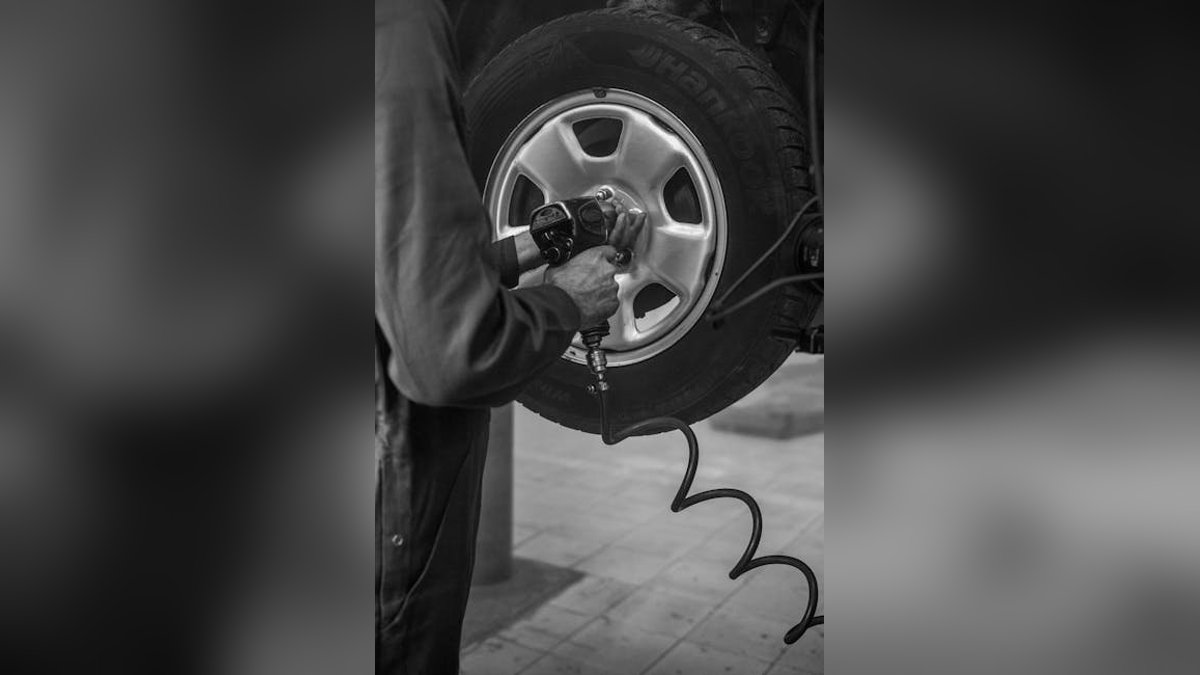
Tire rotation involves moving each tire to a different position on the vehicle (e.g., front-left to rear-right) to ensure even wear. Front tires on front-wheel-drive cars wear faster because they handle steering, acceleration, and braking. Similarly, rear tires on rear-wheel-drive cars experience more stress.
Most manufacturers recommend rotating tires every 5,000 to 7,500 miles, or every other oil change. For all-wheel-drive vehicles, more frequent rotations may be necessary--check your owner's manual. Not rotating tires can lead to uneven wear patterns that reduce usable tread life and compromise handling.
Professional tire rotation costs between $20 and $50, but many tire shops include it free when you purchase tires from them. If you're handy, you can rotate tires yourself using a jack, jack stands, and a torque wrench--just ensure you follow the correct pattern for your vehicle's drivetrain.
3. Check and Adjust Wheel Alignment
Wheel alignment refers to the angles of your tires relative to the road and each other. Proper alignment keeps your car tracking straight and prevents uneven tire wear. Symptoms of misalignment include your car pulling to one side, a crooked steering wheel when driving straight, or rapid wear on the inside or outside edges of the tread.
Alignment is affected by hitting curbs, potholes, or rough road surfaces. Over time, even normal driving can knock alignment out of spec. Most manufacturers suggest checking alignment annually or whenever you notice symptoms. A professional alignment typically costs $75-$150 and can extend tire life by thousands of miles.
One often-overlooked factor: after replacing tires, always have the alignment checked. New tires exacerbate any misalignment because their deeper tread amplifies uneven pressure. A well-aligned car also improves fuel efficiency by reducing rolling resistance.
4. Inspect Tread Depth and Sidewalls
Your tires' tread provides the grip needed for braking, cornering, and driving in rain or snow. In the United States, the legal minimum tread depth is 2/32 of an inch (1.6 mm). Below that, stopping distances increase dramatically and hydroplaning risk soars.
Use the penny test: insert a penny into the tread with Lincoln's head facing down. If you can see the top of his head, the tread is too shallow. For better accuracy, use a tread depth gauge--available for under $10. More importantly, inspect the sidewalls for cuts, bulges, or cracks. Sidewall damage can cause sudden blowouts, especially at highway speeds.
Many experts recommend replacing tires when tread reaches 4/32 of an inch (3.2 mm) in wet climates. A set of four new tires costs $400-$1,200 depending on size and brand, which is far less expensive than an accident or roadside emergency. Always check your tires visually before any long trip.
5. Balance Tires After Installation or Vibrations
Tire balancing corrects weight imbalances between the tire and wheel assembly. Unbalanced tires cause vibrations that can be felt in the steering wheel, floorboard, or seat. These vibrations not only annoy drivers but also accelerate wear on suspension components like ball joints and tie rods.
Balancing is performed when new tires are mounted, but it may also become necessary if a wheel weight falls off or after hitting a severe impact. A typical balancing service costs $15-$40 per tire and should be done every time you get new tires or rotate them. If you notice persistent vibration at certain speeds, have the balance checked immediately.
Driving on unbalanced tires for an extended period can lead to a bumpy wear pattern known as cupping, which ruins the tire and forces premature replacement. Tire shop technicians use a spin-balancing machine to measure uneven spots and attach small weights to the rim. After balancing, your car will ride smoother and your tires will last longer.
By following these five maintenance steps--checking pressure, rotating, aligning, inspecting, and balancing--you can add up to 15,000 miles to your tire set and significantly reduce the risk of tire-related failures. Make tire care a regular part of your vehicle routine. A simple monthly inspection takes less than ten minutes and can prevent dangerous blowouts while saving hundreds on premature tire replacements. Combining all five practices creates a comprehensive tire care plan that maximizes safety and extends the life of your investment.
When to Replace Your Tires vs. Rotate Them
Understanding the difference between tire rotation and replacement is essential for proper maintenance. Tire rotation involves moving each tire to a different position on the vehicle to ensure even tread wear, and it should be done every 5,000 to 8,000 miles, typically at every oil change. Replacement, on the other hand, is necessary when the tread depth reaches 2/32 of an inch, which you can check using the penny test. Insert a penny into the tread with Lincoln's head facing down, if you can see the top of Lincoln's head, the tire is worn out and needs replacement. Other replacement indicators include visible cracks in the sidewall rubber, bulges or blisters that indicate internal structural damage, and vibration at highway speeds that balancing cannot correct.
Seasonal Tire Considerations
If you live in an area with distinct seasons, consider investing in a dedicated set of winter tires. All-season tires are a compromise that works reasonably well in mild conditions, but they lose grip significantly once temperatures drop below 45 degrees Fahrenheit. Winter tires use a softer rubber compound that stays flexible in cold weather and features deeper tread patterns with more biting edges for snow and ice traction. Drivers who install winter tires often find that their all-season tires last twice as long since each set is only used for half the year. Remember to store your off-season tires in a cool, dry place away from direct sunlight, and have them mounted and balanced by a professional each season for the best performance and safety.
Tire Pressure Monitoring Systems Explained
Modern vehicles are equipped with tire pressure monitoring systems that alert you when tire pressure drops significantly below the recommended level. There are two types of systems in use today. Direct TPMS uses individual pressure sensors mounted inside each tire that transmit real-time pressure readings to the car computer. These systems provide accurate pressure data for each tire and can alert you the moment pressure drops. Indirect TPMS, which is more common in older vehicles, uses the anti-lock brake system wheel speed sensors to detect when a tire is rotating faster than the others, which indicates it is under-inflated. Both systems are helpful, but they are not substitutes for monthly manual pressure checks, as the TPMS warning typically does not activate until pressure is 25 percent below the recommended level.
Storing and Extending the Life of Your Tires
Proper storage of off-season tires can add years to their usable life. Before storing, clean each tire thoroughly with mild soap and water to remove brake dust, road grime, and chemicals that can degrade the rubber over time. Allow the tires to dry completely, then apply a tire protectant that contains UV inhibitors to prevent dry rot and cracking. Store tires in a cool, dry location away from direct sunlight, ozone sources like electric motors, and extreme temperature fluctuations. If the tires are mounted on wheels, you can stack them horizontally or hang them on wall-mounted racks. If they are unmounted, store them standing upright and rotate their position periodically to prevent flat-spotting.