Table of Contents
Your car's brake system is its most critical safety component. When you press the pedal, you expect immediate, controlled deceleration. But over time, wear and tear can introduce issues that compromise stopping power. Recognizing the early signs of brake trouble can save you from costly repairs and dangerous driving situations. This guide covers the five most frequent brake problems drivers encounter and provides actionable steps to diagnose and fix each one.
1. Squealing or Squeaking Brakes
A high-pitched squeal when you apply the brakes is often the first warning that your brake pads are wearing thin. Most modern brake pads come with a built-in wear indicator--a small metal tab that contacts the rotor when the pad thickness drops below about 3 mm. This produces a distinct squealing sound designed to alert you before the pad is completely gone.
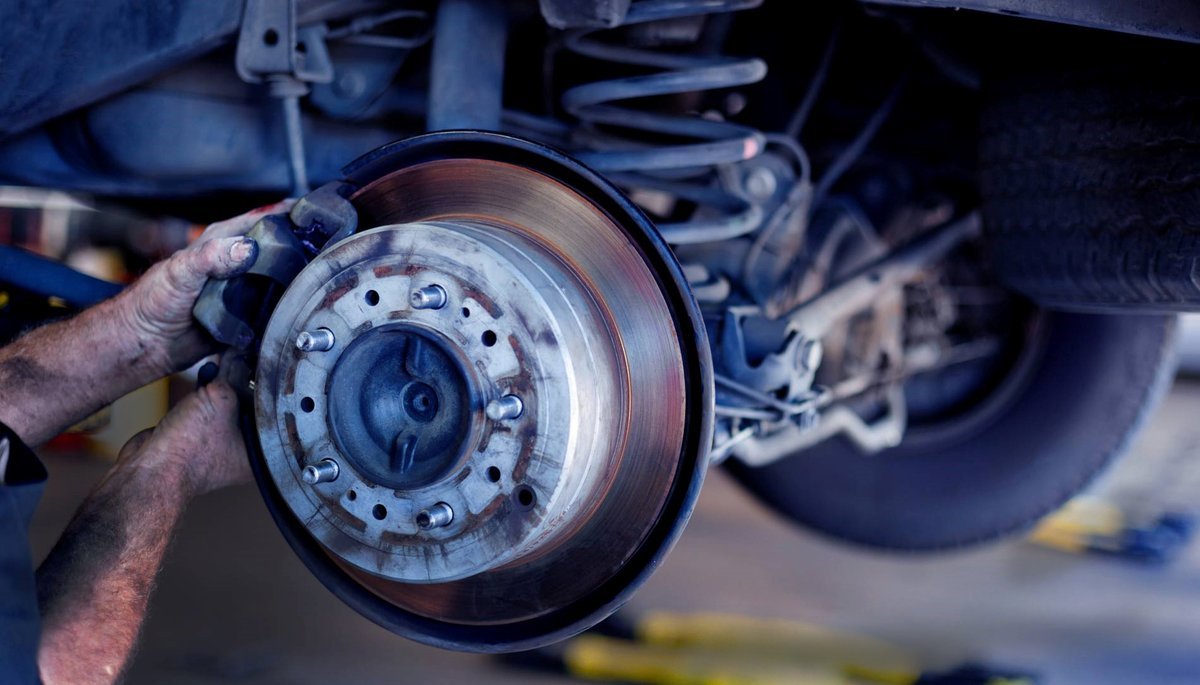
Occasional squeaking can also be caused by moisture or dust on the rotors, especially after rain or a car wash. In that case, a few hard stops on a dry road often silence the noise. However, if the squeal persists, inspect the brake pads. Remove the wheel and visually check the pad thickness through the caliper. If the friction material is less than 3 mm, replace the pads immediately. Also examine the rotor surface for scoring or glazing. If you catch it early, you can avoid rotor replacement.
For persistent squeaking with good pad thickness, apply a thin layer of anti-squeal compound to the back of the pads. This dampens vibration between the pad and caliper. Avoid using spray lubricants near the friction surface.
"According to the Brake Manufacturers Council, 80% of brake noise complaints are due to worn pads or improper installation. Always torque caliper bolts to factory specs to prevent vibration."
2. Grinding or Growling Noise
A deep metallic grinding sound means the brake pads have worn down to the backing plate, and metal is rubbing against metal. This is a critical condition--it not only destroys the rotors but can also damage the calipers. Grinding almost always indicates that the pad friction material is completely gone. Stop driving immediately and inspect the brakes.
To diagnose, remove the wheel and look at the rotor surface. If you see deep grooves, scoring, or a rough texture, the rotor needs to be resurfaced or replaced. Check the caliper piston for damage; extreme wear can push the piston out too far, causing fluid leaks. Replacement of both pads and rotors on the affected axle is the standard repair. Some vehicles also require new calipers if the pistons are damaged.
Preventing grinding is simple: replace pads when they reach 3 mm or when the wear indicator squeals. Don't ignore early warning signs. A $50 pad replacement can prevent a $500 rotor and caliper job.
3. Soft or Spongy Brake Pedal
A brake pedal that feels mushy or sinks to the floor indicates a loss of hydraulic pressure. The most common cause is air in the brake lines, often after a fluid change or if the system has been opened. Another possibility is a brake fluid leak at the master cylinder, calipers, or wheel cylinders. Low fluid level due to worn pads can also create a soft pedal because the caliper pistons have to travel further.
Start by checking the brake fluid reservoir. If it's low, top it off with the proper DOT-rated fluid (DOT 3, 4, or 5.1 as specified in your owner's manual). Then inspect all brake lines, hoses, and calipers for wet spots or drips. If no external leak is found, air is likely trapped. Bleed the brakes: have a helper pump the pedal, hold it down, then open the bleeder valve to release air. Repeat until fluid runs clear with no bubbles.
A spongy pedal that persists after bleeding may indicate a failing master cylinder. Test by pumping the pedal several times--if it firms up temporarily, the master cylinder seals are worn. Replacement is the only cure.
4. Car Pulls to One Side When Braking
If your vehicle veers left or right during braking, the braking force is uneven. The most common culprit is a stuck caliper piston or seized slide pins on one wheel. That wheel either over-brakes or under-brakes, causing the car to pull. Other causes include a collapsed brake hose, uneven pad wear, or a misaligned suspension.
Begin diagnosis by checking brake pad thickness on both sides of the affected axle. Uneven wear points to a caliper problem. Next, inspect the caliper slide pins: remove them, clean off old grease, and re-lubricate with silicone brake caliper grease. If the pins are rusted or bent, replace them.
Check the brake hose for soft spots or bulges. A collapsed internal hose can act as a check valve, keeping the caliper applied. Replace any suspect hose. Finally, consider a wheel alignment if the pull is subtle and brake components check out. An alignment ensures the steering and suspension geometry is correct.
5. Brake Pedal Pulsation or Vibration
A vibrating pedal when braking is almost always caused by warped rotors. Heat from repeated hard braking can cause the rotor surface to become uneven, leading to thickness variation. As the pads move over the high and low spots, the pedal pulses. This is common after aggressive driving, towing, or driving in stop-and-go traffic.
To confirm, feel the pedal while braking from highway speed--a rhythmic vibration suggests rotor warpage. Also check if the steering wheel shakes (front rotor issue) or the seat vibrates (rear rotor issue). The fix is either resurfacing (if enough material remains) or replacing the rotors. Always replace rotors in pairs on the same axle.
Prevention is key: avoid resting your foot on the brake pedal while driving, and allow rotors to cool after hard stops. When replacing rotors, ensure proper torque on lug nuts and use a torque wrench to tighten in a star pattern. This reduces the chance of new rotors warping prematurely.
Take these five brake problems seriously. Your safety--and that of your passengers--depends on a properly functioning braking system. Regular inspections, timely pad replacements, and prompt attention to unusual noises or pedal feel will keep your brakes in top shape. If you're ever in doubt, consult a professional mechanic. A small investment in brake maintenance today can prevent a major accident tomorrow.
Brake Pad Materials: Choosing the Right Type
Not all brake pads are created equal, and choosing the right type for your driving needs can significantly affect both performance and longevity. Organic brake pads are made from materials like rubber, glass, and Kevlar bonded with resin. They are quiet, gentle on rotors, and inexpensive, but they wear faster and produce more dust. Semi-metallic pads contain 30 to 60 percent metal fibers like steel or copper, making them durable and excellent at heat dissipation, but they can be noisy and cause increased rotor wear. Ceramic pads offer the best overall balance of quiet operation, low dust, and long life, though they cost more and may not perform optimally in extreme cold. For everyday commuting, ceramic or high-quality semi-metallic pads are the best choice. For track days or heavy towing, upgrade to a performance-oriented semi-metallic pad designed to handle higher temperatures.
When to Replace Brake Rotors
Brake rotors do not always need replacement with every pad change, but there are clear signs that indicate it is time. If you feel a pulsation through the brake pedal when stopping, the rotors are likely warped and must be resurfaced or replaced. Deep grooves, scoring, or a lip on the outer edge of the rotor are also indicators that replacement is needed. Most manufacturers recommend replacing rotors every other pad change, but this varies based on driving conditions and rotor quality. If you are installing performance brake pads, pair them with high-quality drilled or slotted rotors that provide better heat dissipation and gas release during heavy braking. Always bed in new brake pads and rotors according to the manufacturer's instructions, which typically involves a series of moderate to hard stops to transfer an even layer of pad material onto the rotor surface.
Brake Fluid: The Overlooked Maintenance Item
Brake fluid is one of the most neglected yet critical fluids in any vehicle. Unlike engine oil, which has a visible dipstick and is changed regularly, brake fluid operates in a sealed system that many drivers assume never needs attention. Brake fluid is hygroscopic, meaning it absorbs moisture from the air over time through microscopic pores in rubber hoses and seals. As water content increases, the fluid boiling point drops dramatically. Fresh DOT 4 brake fluid has a dry boiling point of about 450 degrees Fahrenheit, but fluid with just 3 percent water content has a wet boiling point of around 285 degrees. During aggressive driving or descending long mountain grades, brake temperatures can easily exceed 300 degrees, causing contaminated fluid to boil and create vapor bubbles. Since vapor is compressible, the brake pedal feels spongy and stopping distance increases dangerously.
Upgrading Your Brakes for Better Performance
If you find yourself frequently dissatisfied with your braking performance, several upgrades can make a meaningful difference. The most cost-effective upgrade is switching to high-performance brake pads designed for your driving style. Ceramic pads offer the best all-around performance for daily driving with low dust and quiet operation. Stainless steel braided brake lines are another worthwhile upgrade costing around $100 to $200. Unlike rubber lines that expand slightly under pressure, braided lines deliver a firmer, more consistent pedal feel. High-performance brake fluid with a higher boiling point, such as DOT 5.1, provides additional safety margin for drivers who encounter steep grades regularly or tow heavy loads. These upgrades together can transform a mediocre braking system into one that inspires confidence in any driving situation.