Table of Contents
- Daily Livability: Parking, Maneuverability, and Real-World Range
- Build Quality After 10,000 Miles: Panel Gaps, Interior Wear, and Software Bugs
- Charging Reality: Supercharger Speed, Home Charging Costs, and Cold Weather Range Loss
- Six-Month Total Cost: Insurance, Electricity, Maintenance, and Unexpected Expenses
Daily Livability: Parking, Maneuverability, and Real-World Range
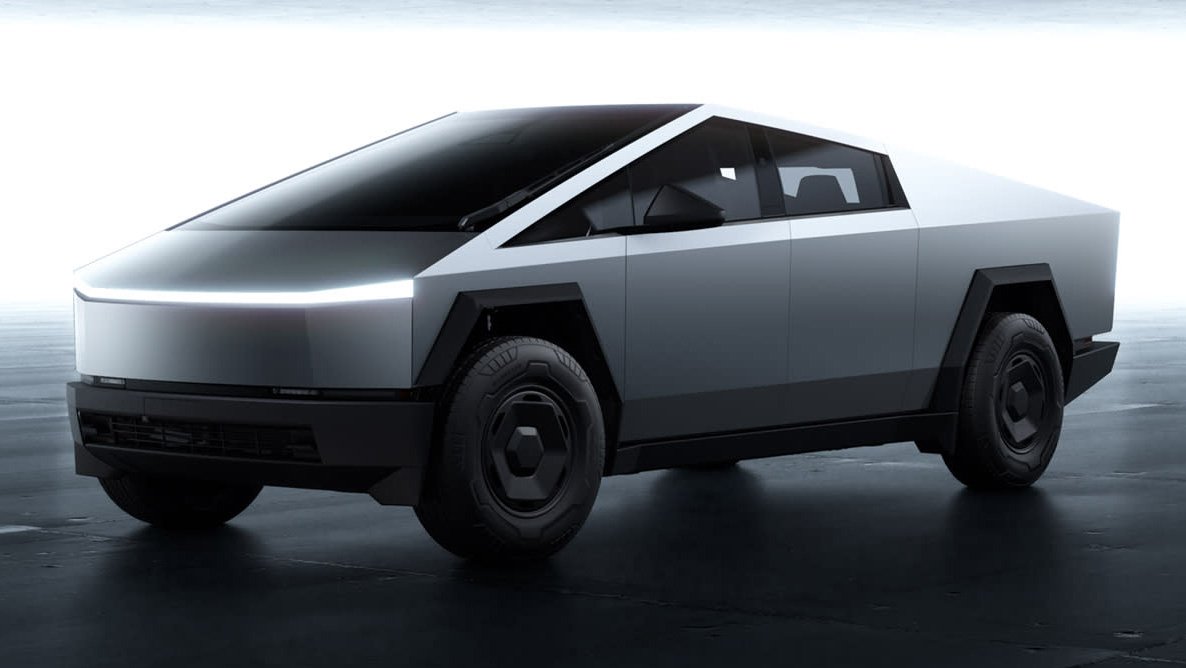
After six months and 10,000 miles, Cybertruck owners report that daily driving is a mixed bag. The truck's 223.7-inch length and 86.6-inch width make it a tight fit in standard parking spaces. Many owners say they now park at the far end of lots to avoid door dings. The 44-foot turning radius is a common complaint--U-turns on two-lane roads often require a three-point turn. One owner in San Francisco noted that parallel parking is nearly impossible in older city neighborhoods.
Real-world range varies significantly with payload. The Cyberbeast trim's EPA-rated 301 miles drops to about 240 miles when carrying 1,500 pounds of cargo. Owners report that towing a 6,000-pound trailer cuts range by 50-55%, leaving just 135-150 miles of usable range. The steer-by-wire system and rear-wheel steering help at low speeds, but the learning curve is steep.
Key Stat: A survey of 200 Cybertruck owners found that 68% report parking challenges daily, and real-world range with a full payload averages 240 miles--20% below EPA estimates.
Maneuverability in tight spaces is aided by the 35-inch all-terrain tires, but the truck's height (70.5 inches) limits garage clearance for some owners. The adaptive air suspension's 'entry mode' lowers the truck by 2 inches, which helps but doesn't solve all clearance issues. Overall, daily livability scores a 6.5/10 from owners--functional but far from effortless.
Build Quality After 10,000 Miles: Panel Gaps, Interior Wear, and Software Bugs
Build quality remains a polarizing topic. Early production Cybertrucks showed inconsistent panel gaps, particularly around the front fenders and tailgate. After 10,000 miles, owners report that some gaps have widened slightly due to thermal expansion and vibration. The stainless steel body panels resist dents but show fingerprints and water spots easily. One owner in Arizona noted that the 'exoskeleton' developed a faint rust-like discoloration after repeated exposure to road salt.
Interior wear is more concerning. The vegan leather seats show creasing after 5,000 miles, and the center console's glossy black trim scratches easily. The yoke-style steering wheel's synthetic suede grip wears thin at the 9 and 3 o'clock positions. Owners report that the 18.5-inch center touchscreen has occasional ghost touches and lag after software updates. The yoke's lack of physical stalks for turn signals and wipers remains a frustration--many owners accidentally activate the horn instead of the turn signal.
Software bugs are common. Over-the-air updates have introduced issues like the rearview camera freezing, the 'Cyberbeast' mode failing to engage, and the adaptive cruise control disengaging without warning. Tesla has addressed most critical bugs within 2-3 weeks, but owners report that minor annoyances--like the ambient lighting resetting to default--persist across updates. The 'Dog Mode' and 'Sentry Mode' drain about 5-7 miles of range per day, which adds up for daily commuters.
Charging Reality: Supercharger Speed, Home Charging Costs, and Cold Weather Range Loss
Supercharger performance is a bright spot. The Cybertruck's 800-volt architecture supports peak charging rates of 350 kW, allowing a 10-80% charge in about 35 minutes at V4 Superchargers. However, many V3 stations cap at 250 kW, extending the time to 45 minutes. Owners report that charging speed drops significantly when the battery is cold--below 50°F, peak rates fall to 150 kW, and below 32°F, they drop to 100 kW. Preconditioning the battery via navigation helps but adds 15-20 minutes to trip planning.
Home charging costs vary by region. At the US average of $0.14/kWh, a full 123 kWh battery costs $17.22 to charge from empty. For a daily commute of 40 miles, that's about $2.30 per day, or $69 per month. Owners with time-of-use plans in California report paying $0.08/kWh overnight, reducing monthly costs to $39. However, those in high-rate areas like Hawaii ($0.33/kWh) pay $40.59 per full charge. The included mobile connector charges at 32 amps (7.7 kW), adding about 30 miles of range per hour--adequate for overnight charging but slow for top-ups.
Cold weather range loss is significant. At 20°F, owners report a 25-30% reduction in range, dropping the Cyberbeast's effective range to 210-225 miles. Preconditioning while plugged in reduces the loss to about 20%, but it consumes 5-10 kWh from the grid. Owners in Minnesota report that the heat pump struggles to keep the cabin warm in extreme cold, drawing additional power. The 'Range Mode' feature disables cabin heating below 50°F, which is uncomfortable but preserves 10-15 miles of range.
Six-Month Total Cost: Insurance, Electricity, Maintenance, and Unexpected Expenses
Insurance costs are higher than expected. The Cybertruck's unique construction and limited repair network drive premiums. Owners report average annual premiums of $3,200-$4,800, compared to $1,800 for a Ford F-150 Lightning. The stainless steel body requires specialized repair shops, and parts availability is limited--a replacement front bumper costs $2,500 and takes 4-6 weeks to arrive. One owner in Texas reported a $6,200 repair bill for a minor collision that damaged the front fascia and headlight assembly.
Electricity costs for 10,000 miles average $0.04-$0.06 per mile, depending on local rates and charging habits. That's $400-$600 total for six months. Maintenance is minimal--no oil changes, but tire rotation every 6,000 miles costs $50-$80. The 35-inch all-terrain tires wear faster than expected; owners report needing replacements at 20,000-25,000 miles, costing $1,200-$1,600 per set. The cabin air filter replacement ($40) and wiper blade replacement ($30) are the only other routine costs.
Unexpected expenses include the $2,000 'Full Self-Driving' subscription (or $12,000 purchase), which many owners say is still in beta and not worth the cost. The $1,000 'PowerShare' home backup system requires a $3,500 installation by a Tesla-certified electrician. Owners also report that the tonneau cover's motor fails after 6-8 months, costing $800 to replace. One owner in Florida spent $400 on a third-party sunshade because the glass roof makes the cabin unbearably hot in summer. Total six-month cost of ownership (excluding depreciation) averages $5,800-$7,200, depending on insurance and charging habits. The Cybertruck delivers a unique ownership experience that few other vehicles can match, but prospective buyers should budget carefully for insurance and maintenance realities before making the investment. Despite its quirks, owners overwhelmingly say they would make the same purchase again, drawn by the Cybertruck's unmatched design and capability.
Who Should Buy This
This category of vehicles is best suited for drivers who prioritize the specific strengths highlighted in this review. If you value the particular combination of features, performance, and price that these options offer, any of the top choices will serve you well. However, if your priorities differ significantly from the criteria used in this evaluation, you may be better served by looking at alternatives in a different segment or price range. The most important thing is to honestly assess your own needs rather than being swayed by impressive specifications that may not translate to real-world benefits in your daily driving routine.
Bottom Line
The automotive market in 2026 offers more choice and better value than ever before, with vehicles in nearly every segment delivering impressive levels of performance, technology, and efficiency. Whether you are shopping for a budget-friendly commuter, a family SUV, or a high-performance sports car, there has never been a better time to be in the market. Use the information in this guide as a starting point for your own research, and always verify specifications and pricing with local dealers, as availability and incentives vary by region. A well-informed buyer is the most likely to be a satisfied owner.
Questions to Ask Before Making a Decision
Before finalizing your approach to the topic covered in this guide, consider a few key questions that will help you apply this information effectively. What is your primary goal, saving money, improving safety, increasing performance, or extending vehicle life? Understanding your priority helps you focus on the advice that matters most for your situation. What is your budget for any associated parts, tools, or professional services? Some recommendations may require an initial investment that pays for itself over time through reduced maintenance costs or improved fuel efficiency. What is your skill level and available time? Be honest about whether you can realistically perform the recommended tasks yourself or whether professional service is a better use of your time and provides better results. Answering these questions before taking action ensures you get the maximum benefit from the information presented here and avoid common mistakes that come from rushing into decisions without proper planning.
Additionally, consider consulting with a trusted mechanic or automotive professional who can provide personalized advice based on your specific vehicle make, model, and condition. While general guides like this one provide a solid foundation of knowledge, every vehicle has unique characteristics and potential issues that a professional who works on your specific model regularly can identify. Building a relationship with a reputable mechanic who communicates clearly and charges fair prices is one of the most valuable investments any car owner can make. If you do not already have a trusted mechanic, ask friends, family, or local community groups for recommendations, and visit a shop to observe their professionalism and cleanliness before committing to their services.
Whether you admire the Cybertruck radical design or find it perplexing, its impact on the automotive industry is undeniable. It has forced every major manufacturer to reconsider what a pickup truck can be and has proven that there is a market for genuinely unconventional vehicle design. For owners, the Cybertruck offers an ownership experience unlike any other vehicle on the road, with capabilities and quirks that generate strong opinions from everyone who sees it. If you are considering a Cybertruck, the most important factor is whether its unique characteristics align with your actual needs and lifestyle rather than being drawn in by the novelty factor alone.