Table of Contents
Design Philosophy: The S-Class as a Technology Flagship
The 2026 Mercedes-Benz S-Class is not merely a luxury sedan; it is a rolling declaration of technological intent. For decades, the S-Class has served as the brand's innovation laboratory, debuting features that eventually trickle down to the entire lineup. The 2026 model continues this tradition with a focus that shifts from opulent materials to intelligent systems that anticipate and adapt to the driver's needs. The exterior design is evolutionary, with a more pronounced grille, flush door handles, and slim Digital Light headlamps that project symbols onto the road. But the real revolution lies beneath the sheet metal.
Mercedes-Benz has positioned the S-Class as the industry's most advanced production vehicle, not just the most comfortable. This means every surface, every sensor, and every pixel is designed to serve a purpose. The 2026 model introduces a new sensor suite with lidar, radar, and ultrasonic sensors that enable Level 3 autonomous driving. The car's architecture is built around a centralized computing platform that processes data from over 30 sensors in real time. This shift from hardware-defined to software-defined luxury is what sets the S-Class apart from competitors like the BMW 7 Series and Audi A8.
Key Stat: The 2026 S-Class processes over 2.5 gigabytes of data per hour from its sensor array, enabling real-time decisions for safety, comfort, and autonomous driving.
The design team also focused on aerodynamics, achieving a drag coefficient of just 0.22 Cd, making it one of the most slippery production sedans ever. This not only reduces wind noise at highway speeds but also improves efficiency for the plug-in hybrid and mild-hybrid powertrains. The S-Class remains a visual statement of success, but its true value lies in the invisible technology that makes every journey safer and more serene.
Interior Technology: MBUX Superscreen, Active Ambient Lighting, and 4D Sound
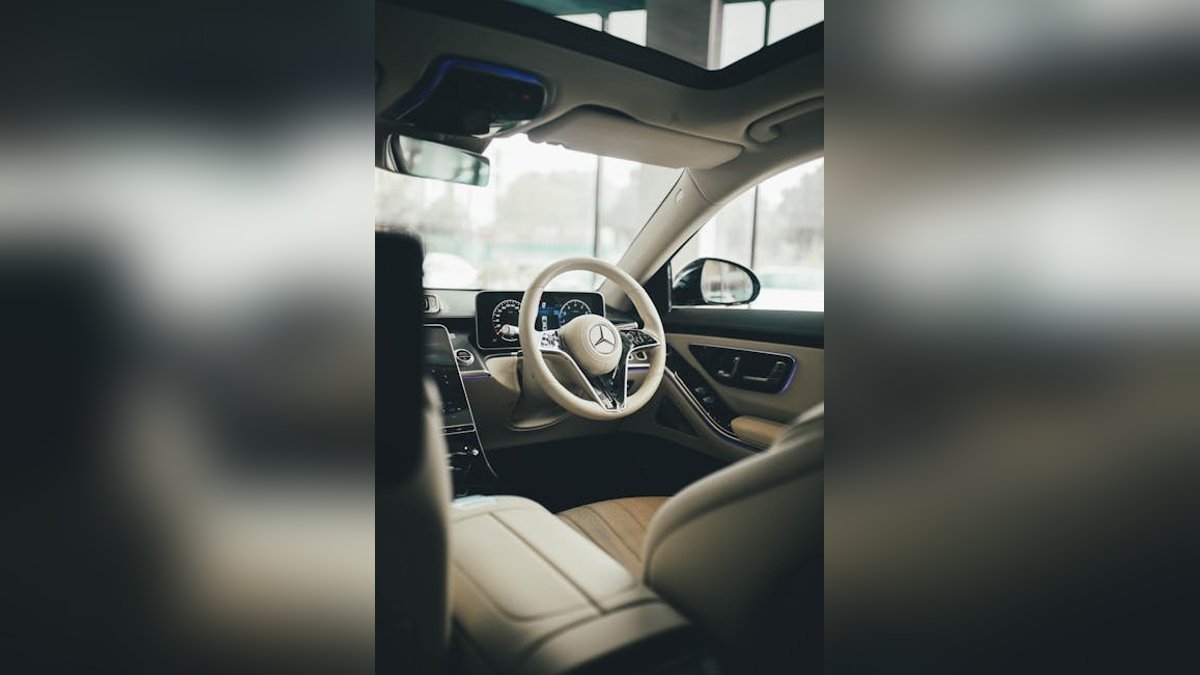
Step inside the 2026 S-Class, and you are greeted by the MBUX Superscreen -- a sweeping, curved glass panel that spans the entire width of the dashboard. This is not a single screen but three distinct displays: a 12.3-inch driver display, a 12.8-inch central OLED touchscreen, and a 12.3-inch passenger display. The passenger screen can show entertainment content that is blocked from the driver's view while the car is moving, a clever use of camera-based driver monitoring to prevent distraction. The system runs on Mercedes-Benz's latest MBUX software, which uses artificial intelligence to learn your preferences over time.
The active ambient lighting system has been upgraded with 250 LEDs that can display individual colors in three zones. It works in concert with the driving assistance systems: for example, if the blind-spot warning activates, the lighting on that side of the cabin pulses red. The system also creates a "light show" when you unlock the car, projecting a wave of color from the dashboard to the door panels. This is not mere decoration; it is a functional interface that communicates with the driver without requiring visual attention away from the road.
The 4D sound system, developed in collaboration with Burmester, uses 31 speakers and 8 exciters built into the seats. These exciters vibrate in sync with the music, creating a tactile experience that makes you feel the bass in your chest. The system supports Dolby Atmos, providing a three-dimensional soundstage that places instruments around you. For audiophiles, this is the best in-car audio system available in 2026. The seats themselves are heated, cooled, and massaging, with 19 motors adjusting the contour to your body. The rear seats offer reclining with a footrest, making the S-Class a mobile first-class lounge.
Ride Quality: E-Active Body Control and Rear-Axle Steering
The 2026 S-Class sets a new standard for ride comfort with its E-Active Body Control system. This system uses a 48-volt electrical architecture to individually control the dampers at each wheel. A forward-facing stereo camera scans the road surface up to 15 meters ahead, detecting bumps, potholes, and undulations. The system then pre-adjusts the suspension to absorb the impact before it reaches the cabin. The result is a ride so smooth that you can barely feel expansion joints on the highway.
In corners, the system actively counteracts body roll by stiffening the outside dampers. This keeps the car flat, reducing motion sickness for passengers and improving driver confidence. The S-Class also features rear-axle steering with up to 10 degrees of articulation. At low speeds, the rear wheels turn in the opposite direction of the front wheels, reducing the turning circle by nearly 2 meters. This makes the S-Class, a car over 5.2 meters long, as maneuverable as a compact sedan in parking lots and tight urban streets. At highway speeds, the rear wheels turn in the same direction as the front wheels, improving stability during lane changes.
The air suspension with continuously adjustable damping provides a default "Comfort" mode that isolates you from the road. Switch to "Sport" mode, and the suspension firms up, reducing body movement while still retaining a supple ride. The S-Class also offers a "Curve" mode that leans the car into corners, similar to a motorcycle, to reduce lateral forces on passengers. This is particularly effective for reducing motion sickness on winding roads. The combination of road-scanning suspension, rear-axle steering, and active body control makes the 2026 S-Class the most comfortable production sedan money can buy.
Drive Pilot Level 3 Autonomy: Where It Works and Why It Matters
The 2026 S-Class is the first production sedan in the United States to offer Level 3 conditional autonomous driving under the Drive Pilot system. Unlike Level 2 systems (like Tesla's Autopilot) that require constant driver supervision, Level 3 allows the driver to legally take their eyes off the road and engage in non-driving activities such as reading, working on a laptop, or watching a movie. The system is currently approved for use on designated highways in Nevada, California, and select European countries, with more states expected to follow.
Drive Pilot operates at speeds up to 40 mph in heavy traffic on divided highways. When activated, the system takes over steering, acceleration, braking, and lane keeping. The driver can turn their seat to face the center console, use the MBUX Superscreen for entertainment, or even close their eyes (though Mercedes-Benz recommends staying alert). The system uses a redundant architecture: two separate braking systems, two steering actuators, and a backup power supply. If any component fails, the system can still safely pull the car over to the side of the road.
The legal and technical implications are profound. Mercedes-Benz assumes liability when Drive Pilot is active, meaning the automaker is responsible for any accidents that occur while the system is engaged. This is a major shift from Level 2 systems, where the driver remains liable. The system also includes a "driver takeover" request that escalates from visual to audible to physical (brake jolts) if the driver does not respond within 10 seconds. Drive Pilot is not a full self-driving system; it is a traffic jam chauffeur. But it represents the first step toward a future where the car, not the driver, is responsible for safe operation.
For the industry, the S-Class's Level 3 capability sets a benchmark that competitors must match. BMW, Audi, and Volvo are all developing similar systems, but Mercedes-Benz has a head start in regulatory approval and real-world deployment. The 2026 S-Class is not just a luxury car; it is a rolling testbed for the autonomous future. As more states approve Level 3 operation, the S-Class will become increasingly capable through over-the-air updates, ensuring it remains at the cutting edge of automotive technology for years to come.
Final Verdict
When evaluating your options based on the information covered in this guide, consider your specific driving needs, budget, and long-term ownership expectations. The best choice is not always the most expensive or popular option, but the one that aligns with your daily driving patterns and personal preferences. Test drive or research multiple options before making a final decision.
Long-Term Ownership Considerations
Beyond the initial purchase decision, consider how your choice will serve you over the full ownership period. Factors like parts availability, insurance costs, fuel or electricity expenses, and resale value all contribute to the total cost of ownership that can significantly exceed the purchase price over five to seven years of driving. Vehicles with strong dealer networks and high production volumes typically offer lower maintenance costs and better parts availability. If you plan to keep the vehicle for more than five years, reliability data from sources like Consumer Reports and JD Power can provide valuable insights into potential problem areas that may not be apparent during a test drive or initial research.
Questions to Ask Before Making a Decision
Before finalizing your approach to the topic covered in this guide, consider a few key questions that will help you apply this information effectively. What is your primary goal, saving money, improving safety, increasing performance, or extending vehicle life? Understanding your priority helps you focus on the advice that matters most for your situation. What is your budget for any associated parts, tools, or professional services? Some recommendations may require an initial investment that pays for itself over time through reduced maintenance costs or improved fuel efficiency. What is your skill level and available time? Be honest about whether you can realistically perform the recommended tasks yourself or whether professional service is a better use of your time and provides better results. Answering these questions before taking action ensures you get the maximum benefit from the information presented here and avoid common mistakes that come from rushing into decisions without proper planning.
Additionally, consider consulting with a trusted mechanic or automotive professional who can provide personalized advice based on your specific vehicle make, model, and condition. While general guides like this one provide a solid foundation of knowledge, every vehicle has unique characteristics and potential issues that a professional who works on your specific model regularly can identify. Building a relationship with a reputable mechanic who communicates clearly and charges fair prices is one of the most valuable investments any car owner can make. If you do not already have a trusted mechanic, ask friends, family, or local community groups for recommendations, and visit a shop to observe their professionalism and cleanliness before committing to their services.