Table of Contents
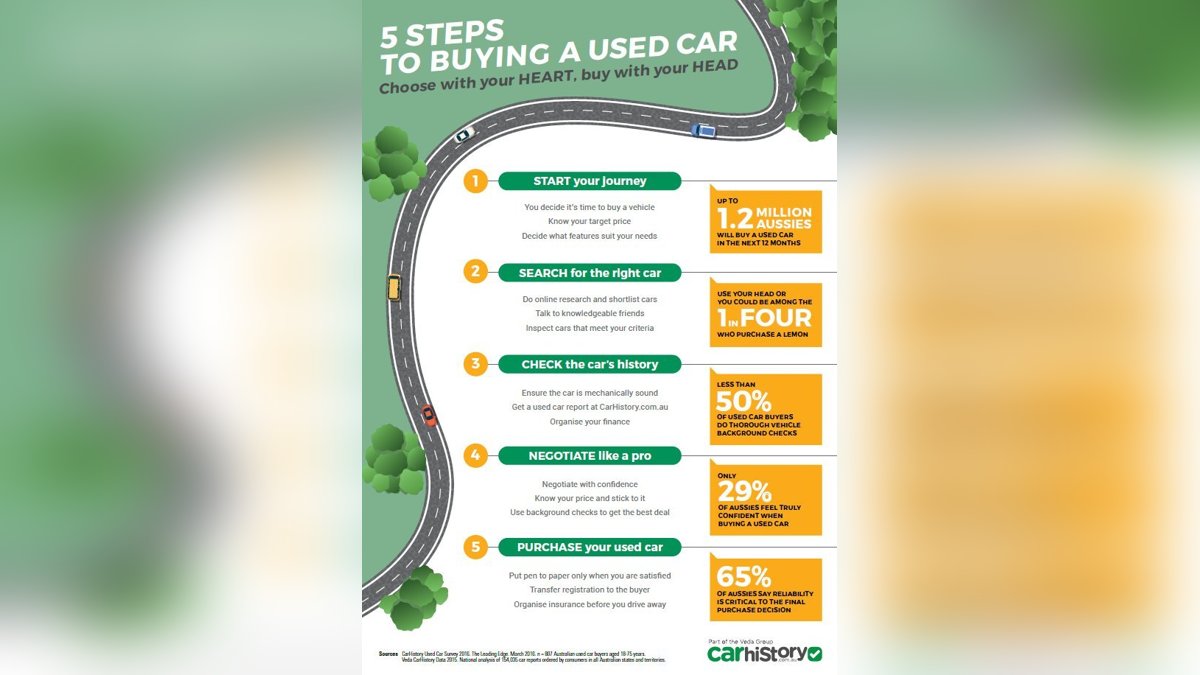
Buying a used car is one of the largest financial decisions many Americans make, yet far too many buyers skip the essential steps that separate a good deal from a money pit. With the average used car price hovering around $28,000 in 2026, a single oversight can cost you thousands in repairs, depreciation, or even safety hazards. This guide walks you through the five critical factors you must evaluate before signing any dotted line. if you're a first-time buyer or a seasoned owner, these data-backed steps will help you drive away with confidence.
1. Vehicle History Report - The Non‑Negotiable First Step
A vehicle history report (VHR) is the single most cost‑effective tool in your arsenal. For around $40, services like Carfax, AutoCheck, or the NMVTIS database can reveal hidden issues that a seller will never volunteer. According to Carfax, 1 in 4 used cars has frame damage from a prior accident, and 1 in 5 has at least one odometer rollback incident. These problems drastically reduce a car's value and safety.
When you pull a VHR, look for: title brands (salvage, flood, rebuilt), accident severity, open recalls, odometer readings over time, and service history gaps. If the seller refuses to provide the VIN or a report, walk away immediately. A clean history doesn't guarantee a perfect car, but a dirty one almost guarantees trouble.
Pro tip: Run the VIN through the free National Insurance Crime Bureau (NICB) database to check if the car was ever reported stolen. This takes 30 seconds and adds a layer of security.
2. Professional Mechanical Inspection - Your Best $150 Investment
Even the cleanest paint and a spotless VHR can conceal serious mechanical problems. A pre‑purchase inspection (PPI) by an independent, certified mechanic typically costs $100-$200 and provides a comprehensive evaluation of the engine, transmission, brakes, suspension, exhaust, and electronics. The inspection often takes 1-2 hours and includes a road test.
Common issues a PPI catches: worn timing belts, leaking seals, transmission shudder, suspension bushing cracks, and hidden rust. According to AAA, 74% of used car buyers skip a PPI, and many later regret it. The cost of one major repair (e.g., a transmission replacement at $3,500-$5,000) far outweighs the inspection fee. Always schedule the PPI at a shop you trust, not one recommended by the seller.
"The best money you can spend when buying a used car is the $150 for a mechanic's inspection -- it can save you thousands on hidden repairs." -- AutoPulse Expert Panel
If the seller won't allow a PPI, consider it a red flag. Most legitimate sellers understand and will grant access to a neutral shop. If you're buying from a dealer, ask if they offer a third‑party inspection for an additional fee.
3. Thorough Test Drive - Listen, Feel, and Observe
A five‑minute loop around the block tells you almost nothing about the car's true condition. Plan a test drive that lasts at least 20 minutes and covers a variety of road types: highways, city streets, hills, and rough pavement. Bring a checklist so you don't forget key checks.
Pay attention to: unusual engine sounds (knocking, ticking), smooth acceleration (hesitation indicates fuel or ignition issues), hard or late shifts in automatic transmissions, vibrations in the steering wheel or brake pedal (warped rotors or alignment problems), and suspension noises when going over bumps. Also check the air conditioning, all power windows, radio, and dashboard warning lights. A persistent check‑engine light - even if the seller claims it's minor - should be scanned with an OBD‑II tool before proceeding.
Data from Consumer Reports shows that cars which pass a 30‑minute test drive have a 40% lower likelihood of needing major repairs in the first year of ownership. Take your time and drive the car exactly as you would in daily life.
4. Market Price Research - Never Negotiate Blind
Before you make an offer, know the vehicle's fair market value. Use Kelley Blue Book (KBB), Edmunds, and NADA Guides to see pricing based on the car's year, mileage, trim level, and condition. Also check local listings on Autotrader, Cars.com, and Facebook Marketplace to gauge what similar cars are actually selling for - not just asking prices.
In 2026, used car prices are stabilizing after the pandemic spikes, but disparities still exist. For example, a 2021 Honda Civic with 40,000 miles might have a KBB dealer retail of $23,500, but a private seller might list at $21,000. Use that difference as leverage. Be polite but firm: if a seller's price is 10% above market, point to multiple comparable listings. Consider a pre‑purchase inspection as a negotiation tool - if the report shows needed repairs, you can ask for a lower price or seller to fix them.
Also factor in the car's mileage. While the average is 12,000-15,000 miles per year, cars with unusually low mileage for their age should be checked for odometer fraud or excessive idling.
5. Total Ownership Cost - The Long‑Term Picture
Many buyers focus only on the purchase price, ignoring what it costs to keep the car on the road. Insurance premiums, fuel economy, maintenance intervals, and parts availability vary dramatically between models. A luxury sedan might be inexpensive used but cost twice as much to insure and maintain as a mainstream sedan.
Websites like Edmunds True Cost to Own (TCO) provide five‑year estimates that include depreciation, taxes, insurance, fuel, maintenance, and repairs. For example, a 2019 BMW 3 Series might have a TCO of $42,000 over five years, while a 2019 Toyota Camry could be under $32,000. That $10,000 difference is significant for most budgets. Also research reliability rankings from J.D. Power and Consumer Reports for the specific model year.
Don't forget state‑specific taxes and fees - some states have higher registration costs for newer or heavier vehicles. Add those to your budget early. And if you plan to finance, get pre‑approved from a credit union or bank before visiting a dealer; dealer financing often includes hidden markups.
By considering the full ownership picture, you ensure the car you buy today won't become a financial strain tomorrow. Smart used car buying isn't just about picking a car - it's about picking the right car for your lifestyle and wallet.
Getting the Best Deal on a Used Car
Once you have identified a promising used car, the negotiation process can save you hundreds or even thousands of dollars. Start by researching the vehicle's market value using resources like Kelley Blue Book, Edmunds, and local classified listings. Factor in the car's mileage, condition, service history, and any cosmetic imperfections as leverage points. If buying from a dealership, remember that they have more flexibility on used car prices than new ones, especially on vehicles that have been on the lot for more than 30 days. Ask for a vehicle history report from Carfax or AutoCheck, and verify that the odometer reading matches the reported mileage. If anything seems inconsistent, walk away, there are plenty of other listings to consider.
Post-Purchase Steps Every Buyer Should Take
After completing your used car purchase, take a few proactive steps to protect your investment. Have the vehicle inspected by an independent mechanic within the first week, even if you already did a pre-purchase inspection. This catches any issues that may have been missed. Transfer the title and register the vehicle in your name immediately, as driving with expired dealer tags or a previous owner's plates can result in fines. Consider purchasing a comprehensive warranty if the vehicle is no longer covered by the manufacturer's original warranty, especially for luxury or German-brand vehicles where repair costs can add up quickly. Finally, review your insurance coverage and adjust it to reflect the replacement value of your newly purchased vehicle.
Red Flags When Inspecting a Used Car
Beyond the mechanical inspection, certain visual and sensory cues can reveal underlying problems that may not show up on a test drive. Walk around the vehicle and examine the panel gaps between doors, the hood, and the trunk. Inconsistent gaps or mismatched paint colors between adjacent panels suggest the car has been in an accident and may not have been repaired to factory standards. Check the tire condition carefully, uneven wear across a single tire indicates an alignment issue, while two tires worn on the same edge suggests a suspension problem that could be expensive to correct. When you sit inside, pay attention to the smell. A persistent musty odor, even after cleaning, can indicate water intrusion from a sunroof leak, clogged air conditioning drain, or flood damage. Any non-working component is a negotiation point at minimum and a warning sign at worst.
The Importance of a Pre-Purchase Inspection
No matter how thorough your personal inspection is, having a qualified mechanic perform a pre-purchase inspection is the single best investment you can make when buying a used car. Most independent shops charge between $100 and $200 for a comprehensive inspection that includes checking engine compression, transmission operation, brake system condition, suspension components, exhaust system for leaks, and underbody for rust or damage. The mechanic can also perform a diagnostic scan to check for stored trouble codes that the seller may have cleared temporarily. If the seller refuses to allow a pre-purchase inspection, consider that a major red flag. A seller with nothing to hide will have no objection to a third-party inspection.