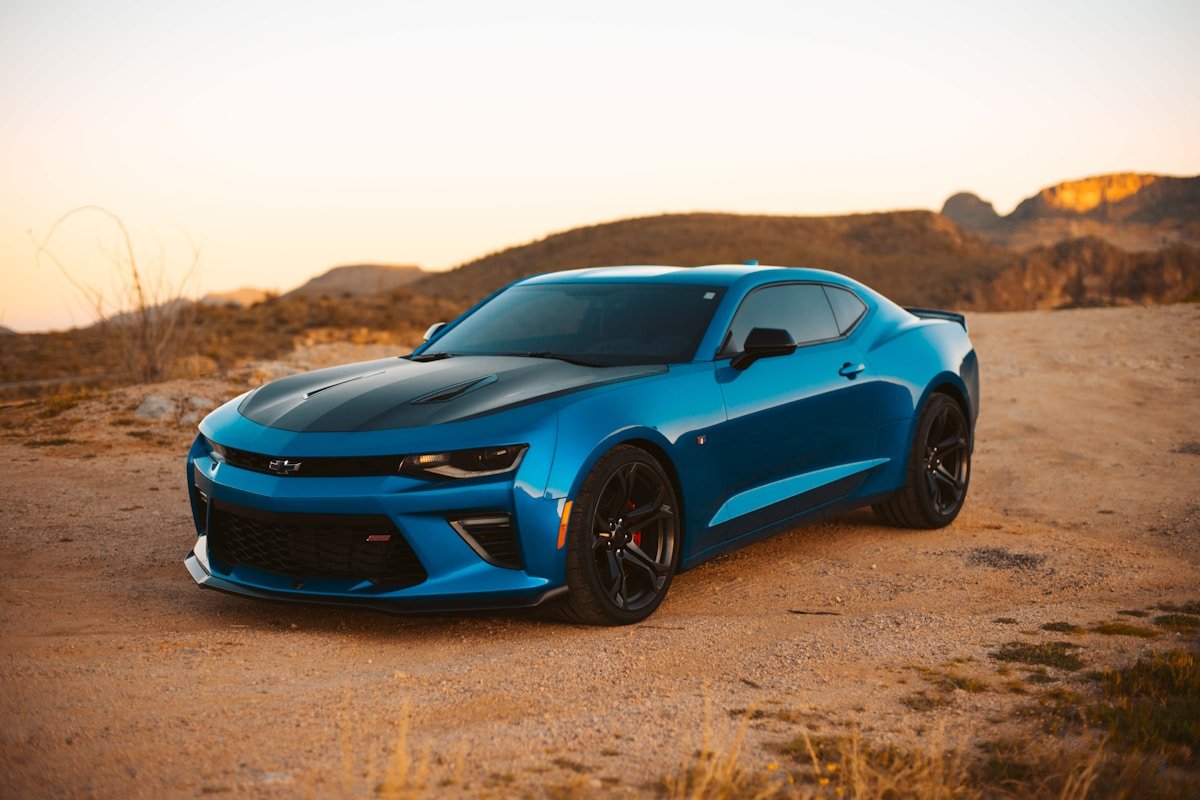
Stepping onto a racetrack for the first time is exhilarating -- and intimidating. The right car makes all the difference. You want something that's fast enough to be fun, forgiving enough to save you from mistakes, and cheap enough that a spin won't ruin your month. After coaching dozens of novice drivers and analyzing track day costs across multiple platforms, we've narrowed down the five best entry-level track day cars for 2026. These machines prioritize predictable handling, affordable consumables, and safety features that let you learn without fear.
Key Stat: According to the Sports Car Club of America (SCCA), the Mazda MX-5 Miata accounts for over 30% of all entries in novice track day groups -- and has the lowest average repair cost per incident among all popular track cars.
1. Mazda MX-5 Miata (ND Generation) -- The Gold Standard for Learning
The Mazda MX-5 Miata isn't just a fun roadster; it's the most popular track day car in America for a reason. Its lightweight construction (around 2,300 pounds) means you don't need massive horsepower to have a blast. The Miata's double-wishbone front suspension and multilink rear setup provide exceptional feedback, letting you feel exactly what the tires are doing. This makes it incredibly forgiving when you push too hard -- the car slides progressively and is easy to catch.
Running costs are shockingly low. A set of high-performance summer tires (like the Continental ExtremeContact Sport 02) costs around $600 for all four. Brake pads are cheap: a set of track-ready pads runs about $150. Fluids are minimal, and insurance for a Miata is typically lower than for any other sports car. The aftermarket is massive, so you can upgrade gradually as your skills improve. The ND2 (2019+) and ND3 (2024+) models have a 2.0L engine making 181 hp, which is plenty for a beginner. You'll learn momentum driving -- carrying speed through corners -- which is the foundation of all fast driving.
Safety-wise, the Miata includes stability control that can be partially disabled, ABS, and dual airbags. The low center of gravity reduces rollover risk. Many track day organizations require a roll bar for convertibles, so budget $500-$800 for a Hard Dog or similar roll bar installation. Overall, the Miata is the safest, cheapest, and most educational track car you can buy.
2. Toyota GR86 / Subaru BRZ -- The Modern Driver's Car
The Toyota GR86 (and its twin, the Subaru BRZ) is the Miata's hardtop cousin with a bit more power and a more rigid chassis. The 2.4L flat-four engine produces 228 hp, giving it a better power-to-weight ratio than the Miata. The chassis is incredibly stiff, which translates to precise turn-in and excellent feedback through the steering wheel. The low seating position and boxer engine keep the center of gravity extremely low, making it nearly impossible to flip.
Consumables are still affordable. Tires are slightly wider (215/40R17 or 215/45R17) but still under $700 a set. Brake pads are similar in price to the Miata. The GR86 has a track-tuned suspension from the factory, with stiffer springs and dampers than the standard BRZ. The car understeers mildly at the limit, which is safer for beginners than snap oversteer. You can easily adjust the handling with a rear sway bar or alignment changes.
One downside: the engine has a torque dip around 3,500-4,500 rpm, but this is less noticeable on track where you keep revs above 5,000. The GR86 also has a reputation for oil starvation during high-G left turns, so consider an oil cooler and baffled oil pan if you plan to track it regularly. Still, for a first track car, it's hard to beat the GR86's balance and driver engagement.
3. Hyundai Elantra N -- The Hot Hatch That Punches Above Its Weight
If you need a daily driver that doubles as a track weapon, the Hyundai Elantra N is the best front-wheel-drive option. Its 2.0L turbocharged engine makes 276 hp (with the N Grin Shift overboost function) and 289 lb-ft of torque. The car comes with an electronic limited-slip differential (e-LSD), which dramatically improves corner exit traction and reduces understeer. The 8-speed wet dual-clutch transmission (DCT) shifts faster than most drivers can manage, but a 6-speed manual is also available.
The Elantra N is heavier than the Miata or GR86 at around 3,200 pounds, but the power makes up for it. Brakes are large (14.2-inch front rotors) and resist fade well. The car has a dedicated N mode that sharpens throttle response, stiffens the dampers, and opens the exhaust. It also includes a lap timer and performance data display built into the infotainment system -- perfect for tracking your progress.
Running costs are higher: tires are 245/35R19, costing around $900 a set. Brake pads are about $250. But the car is still cheaper to run than a BMW M2 or Audi RS3. The Elantra N also has a 10-year/100,000-mile powertrain warranty, which covers track use as long as you don't modify the engine. That's a huge peace-of-mind advantage for beginners.
4. Ford Mustang EcoBoost -- American Power Without the V8 Premium
The Ford Mustang EcoBoost is often overlooked by track enthusiasts, but it's a fantastic beginner car. The 2.3L turbocharged four-cylinder makes 310 hp and 350 lb-ft of torque, giving it strong straight-line speed. The chassis is based on the S550 platform (2015-2023) or the newer S650 (2024+), both of which have independent rear suspension -- a huge improvement over the old solid-axle Mustangs. The car understeers predictably and is easy to control at the limit.
Why choose the EcoBoost over the GT? Lower weight (about 200 pounds less over the front axle), cheaper tires (255/40R19 vs 275/40R19), and lower insurance costs. The EcoBoost also has a smaller fuel tank but better fuel economy, so you'll spend less on gas during a track day. The aftermarket is enormous, with plenty of suspension and cooling upgrades. The Mustang's large cabin and trunk make it practical for hauling gear and a passenger.
Safety features include ABS, stability control with track mode, and six airbags. The Mustang has a reputation for being tail-happy, but the EcoBoost's lower torque and electronic nannies make it more forgiving than the GT. Just be aware that the stock brake pads fade quickly -- upgrade to track pads before your first event.
5. Honda Civic Si (11th Generation) -- The FWD Precision Tool
The Honda Civic Si is the ultimate front-wheel-drive learning tool. Its 1.5L turbocharged engine makes 200 hp and 192 lb-ft of torque, which doesn't sound like much, but the car weighs only 2,950 pounds. The helical limited-slip differential (LSD) is standard, giving you excellent traction out of corners. The shifter is one of the best in any car under $40,000 -- precise, mechanical, and satisfying.
The Civic Si's chassis is stiff and communicative. The adaptive dampers (standard on the Si) allow you to switch between comfort and sport modes, making it a great daily driver. On track, the car rotates well with trail braking and is very forgiving of mistakes. The brakes are adequate for a beginner, but you'll want to upgrade to track pads and high-temperature brake fluid after a few events.
Running costs are the lowest of any car on this list. Tires are 235/40R18, costing around $500 a set. Brake pads are under $100. The Civic Si also has excellent reliability and a huge aftermarket. It's not the fastest car on track, but it will teach you to carry momentum and hit apexes perfectly -- skills that transfer to any faster car later.
Track Day Cost Breakdown: What You'll Actually Spend
Many beginners underestimate the true cost of a track day. Here's a realistic budget for a single weekend event (two days):
- Entry fee: $300-$600 (varies by track and organization; HPDE events are cheaper than open lapping)
- Tires: $200-$400 per event (assuming a set of 200TW tires lasts 6-8 track days)
- Brake pads: $50-$100 per event (track pads last 4-6 days)
- Brake fluid: $30-$50 (flush with high-temp fluid before each event)
- Engine oil & filter: $50-$80 (change after every 2-3 track days)
- Fuel: $100-$200 (premium gas, about 8-12 gallons per session)
- Insurance: $150-$300 per event (specialty track day insurance is highly recommended)
- Miscellaneous: $50-$100 (towels, tape, snacks, water)
Total per weekend: $930-$1,830. That's not cheap, but it's far less than a single track day in a Porsche or Corvette. The cars listed above keep these costs manageable.
Essential Upgrades Before Your First Track Day (And What to Skip)
You don't need a fully built race car to have fun. Focus on safety and reliability first:
- Must-do: High-temperature brake fluid (Motul RBF 600 or Castrol SRF), track-grade brake pads (Hawk DTC-60 or Carbotech XP10), and a proper helmet (SA2020 or SA2025 rated).
- Highly recommended: Performance alignment (more negative camber up front, zero toe), a fire extinguisher (mounted securely), and a tire pressure gauge.
- Skip: Cold air intakes, cat-back exhausts, lightweight flywheels, and big brake kits (unless you're already outbraking your current setup). These add cost and complexity without helping a beginner learn.
Remember: the best upgrade is seat time. Spend your money on track days, not parts. A stock Miata with good tires and fresh fluid will outrun a heavily modified car driven by a novice. Focus on smooth inputs, vision, and braking technique. The car is capable -- you just need to learn to use it.
Which of these track day cars fits your budget and driving style? Drop a comment below or join the discussion on our forum. And if you're ready to book your first event, check out our guide to choosing the right HPDE organization.