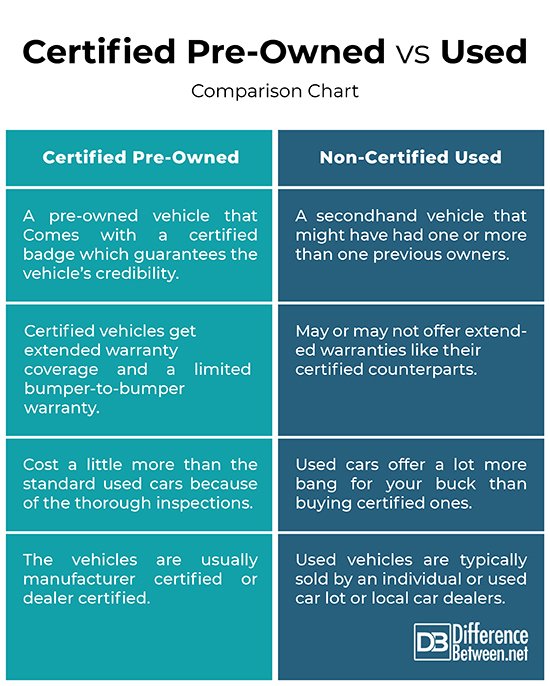
What CPO Certification Actually Covers vs Marketing Claims
Certified Pre-Owned (CPO) programs have become a major profit center for automakers, but the gap between what dealers promise and what you actually get can be significant. In 2026, most CPO programs require vehicles to be under 6 years old with fewer than 80,000 miles, and they undergo a multi-point inspection--typically 100 to 200 points depending on the brand. However, these inspections are not created equal. For example, a Honda CPO inspection covers 182 points, while a Nissan CPO covers only 128. The difference often lies in cosmetic vs. mechanical checks. Many CPO inspections include tire tread depth, brake pad thickness, and fluid levels, but they rarely include compression tests, transmission internal inspections, or hybrid battery health assessments--areas where expensive failures hide.
Marketing materials often imply that CPO cars are 'like new,' but the reality is that CPO certification does not guarantee zero wear. A CPO vehicle can have minor dings, worn upholstery, or aftermarket parts as long as they pass the inspection checklist. Moreover, the certification fee--typically $500 to $1,500--is baked into the asking price, meaning you pay for the inspection whether it catches problems or not. Independent mechanic inspections cost $100-$200 and are far more thorough. The key takeaway: CPO adds value primarily through the warranty, not the inspection itself. If you can get a pre-purchase inspection from a trusted shop, a non-CPO car with a clean bill of health may offer better value.
Key Stat: According to a 2025 study by iSeeCars, CPO vehicles sell for an average of 8-12% more than comparable non-CPO used cars, but the warranty coverage can save owners up to $3,000 in repair costs over three years--if major components fail.
Price Comparison: CPO vs Non-CPO for Popular 2023-2024 Models
To understand the real cost of CPO, let's look at specific 2023 and 2024 models that dominate the used market in 2026. Data from Edmunds and Kelley Blue Book as of May 2026 shows the following average price premiums for CPO over non-CPO equivalents (both with similar mileage and condition):
- 2023 Toyota RAV4 Hybrid XLE: CPO average $32,500 vs non-CPO $29,800 -- premium of $2,700 (9.1%)
- 2024 Honda CR-V EX-L: CPO average $34,200 vs non-CPO $31,400 -- premium of $2,800 (8.9%)
- 2023 BMW 330i xDrive: CPO average $38,900 vs non-CPO $35,600 -- premium of $3,300 (9.3%)
- 2024 Lexus RX 350 Premium: CPO average $46,500 vs non-CPO $42,800 -- premium of $3,700 (8.6%)
- 2023 Ford F-150 XLT 4x4: CPO average $41,200 vs non-CPO $38,100 -- premium of $3,100 (8.1%)
The premium ranges from 8% to 9.5%, which aligns with industry averages. But the real question is whether that premium translates into savings. For a Toyota RAV4 Hybrid, the CPO warranty adds 1 year/12,000 miles to the original 3-year/36,000-mile basic warranty, plus 7-year/100,000-mile powertrain coverage from the original in-service date. If you plan to keep the car for 5+ years, the CPO warranty may cover a hybrid battery replacement (cost: $3,000-$5,000) or a transmission repair ($4,000-$6,000). For a BMW 330i, the CPO warranty extends the original 4-year/50,000-mile coverage by 1 year/unlimited miles, which is valuable given BMW's higher repair costs. However, if you only keep the car for 2-3 years, the premium is unlikely to pay off.
Extended Warranty Value: Manufacturer-Backed vs Third-Party
The core of CPO value is the manufacturer-backed extended warranty. In 2026, most CPO programs offer a comprehensive limited warranty that covers the engine, transmission, drivetrain, steering, suspension, brakes (excluding wear items), electrical systems, climate control, and more. For example, Toyota's CPO warranty includes 12-month/12,000-mile comprehensive coverage from the date of sale, plus 7-year/100,000-mile powertrain coverage from the original in-service date. Lexus CPO adds 3-year/unlimited-mile comprehensive coverage from the CPO sale date--one of the best in the industry. BMW CPO provides 1-year/unlimited-mile comprehensive coverage after the original 4-year/50,000-mile warranty expires, with roadside assistance included.
In contrast, third-party extended warranties from companies like CarShield, Endurance, or Protect My Car often have deductibles ($50-$200 per visit), exclusions for pre-existing conditions, and caps on payouts. A typical third-party plan for a 2023 Honda CR-V costs $1,800-$2,500 for 5 years/60,000 miles, but may exclude hybrid components, turbochargers, or infotainment systems. Manufacturer-backed CPO warranties have no deductibles (most brands), cover all original parts, and are honored at any dealership nationwide. The difference in claim approval rates is stark: manufacturer CPO warranties have a 95%+ approval rate, while third-party plans average 60-75%, according to a 2025 Consumer Reports survey. If you're risk-averse or plan to keep the car long-term, the CPO premium effectively pre-purchases a high-quality warranty. For short-term ownership, a third-party plan or self-insuring (saving the premium in a repair fund) may be more economical.
Best CPO Programs Ranked: Lexus, BMW, Toyota, Honda
Not all CPO programs deliver equal value. Based on warranty length, coverage breadth, transferability, and customer satisfaction scores from J.D. Power and Consumer Reports in 2025-2026, here are the top four programs ranked:
1. Lexus CPO (L/Certified): Lexus offers the most generous CPO program in the industry. Vehicles must be under 6 years old with fewer than 75,000 miles. The warranty includes 3-year/unlimited-mile comprehensive coverage from the CPO sale date, plus 7-year/unlimited-mile powertrain coverage from the original in-service date. Roadside assistance and trip interruption coverage are included. Transferable to private buyers for a $50 fee. Lexus also provides a free Carfax history report and a 161-point inspection. The premium is justified by the unmatched warranty length and Lexus's reputation for reliability.
2. BMW CPO (Certified Pre-Owned Plus): BMW's program covers vehicles up to 6 years old with under 60,000 miles. It offers 1-year/unlimited-mile comprehensive coverage after the original 4-year/50,000-mile warranty expires, plus 7-year/100,000-mile powertrain coverage from the original in-service date. The inspection includes 200+ points, and the program includes roadside assistance and a free vehicle history report. BMW's CPO is particularly valuable for luxury buyers because repair costs are high--a single engine control module replacement can exceed $2,000. The unlimited-mileage comprehensive coverage is a standout feature.
3. Toyota CPO (Toyota Certified Used Vehicles): Toyota's program requires vehicles under 6 years old with fewer than 85,000 miles. It provides 12-month/12,000-mile comprehensive coverage from the sale date, plus 7-year/100,000-mile powertrain coverage from the original in-service date. The 160-point inspection is thorough, and the warranty is transferable for a $50 fee. Toyota's CPO is ideal for buyers of high-volume models like the Camry, RAV4, and Tacoma, where the premium is modest and resale value remains strong.
4. Honda CPO (HondaTrue Certified): Honda's program covers vehicles up to 6 years old with under 80,000 miles. It offers 12-month/12,000-mile comprehensive coverage from the sale date, plus 7-year/100,000-mile powertrain coverage from the original in-service date. The 182-point inspection is one of the most detailed in the industry. Honda also includes a free Carfax report, roadside assistance, and a 3-month trial of SiriusXM. The premium is reasonable, and Honda's reputation for reliability means fewer claims, but the comprehensive coverage period is shorter than Lexus's.
When choosing a CPO program, consider the vehicle's age and mileage relative to the warranty start date. A 2023 model purchased CPO in 2026 will have less remaining powertrain coverage than a 2024 model. Also, check whether the warranty is 'bumper-to-bumper' or excludes certain components like suspension bushings, seals, or gaskets. Lexus and BMW offer the best comprehensive coverage, while Toyota and Honda provide solid value for mainstream models.