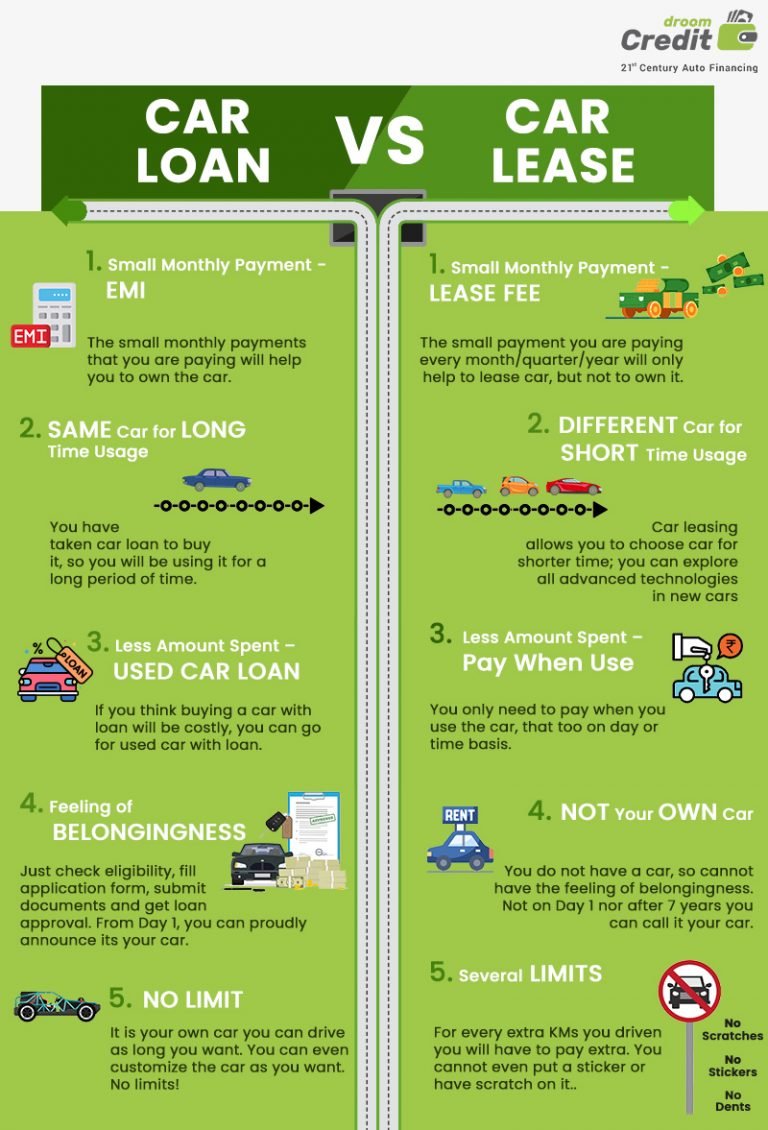
1. Monthly Payment Breakdown: Loan vs Lease with Real Numbers
The most immediate difference between leasing and financing a car is the monthly payment. In 2026, with average new car prices hovering around $48,000 and interest rates between 6.5% and 8.0% for prime borrowers, the gap has narrowed but remains significant.
Consider a $45,000 vehicle with a 60-month loan at 7% APR. Your monthly payment would be approximately $891, assuming a 10% down payment of $4,500. Over five years, you'll pay $53,460 total, including $8,460 in interest. You own the car outright at the end.
Now look at a 36-month lease on the same $45,000 vehicle. With a residual value of 55% ($24,750), a money factor equivalent to 5.5% APR, and $3,000 due at signing, your monthly payment drops to roughly $520. That's $371 less per month -- a 42% reduction. Over three years, you'll pay about $18,720 in lease payments plus the upfront $3,000, totaling $21,720. You walk away with nothing but a clean exit.
Key Stat: According to Edmunds 2026 data, the average lease payment is $548 per month versus $726 for a new car loan -- a $178 monthly difference that adds up to $6,408 over three years.
The catch? With a loan, you build equity. After three years, that $45,000 car might be worth $27,000 (60% residual). Your remaining loan balance would be about $19,000, giving you $8,000 in equity. With a lease, you have zero equity and must start over.
2. Hidden Fees: Acquisition, Disposition, and Mileage Penalties
Leases come with a laundry list of fees that many shoppers overlook. The acquisition fee -- typically $650 to $1,095 -- is charged by the leasing company to set up the contract. Some dealers roll it into the monthly payment, but it's still money out of your pocket.
The disposition fee hits you at lease end. This $350 to $500 charge covers the cost of inspecting and selling the returned vehicle. If you lease another car from the same manufacturer, many brands waive this fee. But if you switch brands or buy out the lease, you're on the hook.
Mileage penalties are the biggest hidden cost. Most leases allow 10,000 to 12,000 miles per year. Exceed that, and you'll pay $0.15 to $0.25 per mile. Drive 15,000 miles annually on a 12,000-mile lease, and after three years you owe $1,350 to $2,250 in penalties. For high-mileage drivers, this alone can make leasing more expensive than financing.
Loans have fewer hidden fees. You'll pay a documentation fee ($200-$500), possibly a loan origination fee (1% of the amount), and title/registration costs. But there's no end-of-term fee, no mileage cap, and no wear-and-tear inspection. You can drive 100,000 miles in three years without penalty.
Wear-and-tear charges are another lease trap. Normal wear is expected, but dents larger than a credit card, scratches over two inches, or stained upholstery can trigger repair bills. Dealerships often charge inflated rates for these fixes. With a loan, you decide when and how to repair the car.
3. When Leasing Makes Financial Sense -- and When It Doesn't
Leasing works best for three specific scenarios. First, if you drive fewer than 12,000 miles per year and want a new car every two to three years, leasing avoids the depreciation hit. Luxury vehicles like BMW, Mercedes, and Audi often have subsidized lease rates that make monthly payments surprisingly low compared to financing.
Second, if you run a business, leasing can be a tax advantage. The IRS allows you to deduct the portion of lease payments used for business purposes. In 2026, the standard mileage rate is $0.67 per mile, but actual lease expenses often yield a larger deduction. Section 179 depreciation limits don't apply to leases the same way they do to purchased vehicles, making leasing attractive for high-income professionals.
Third, if you want the latest safety and technology features without long-term commitment, leasing gives you an upgrade cycle that aligns with rapid automotive innovation. Electric vehicles, in particular, are evolving quickly -- battery ranges, charging speeds, and software features improve annually. Leasing an EV in 2026 lets you avoid being stuck with outdated technology.
Leasing doesn't make sense if you drive high mileage, keep cars for more than five years, or customize your vehicles. The mileage penalties alone can wipe out any monthly savings. Also, if you have poor credit (below 680), lease rates become punitive. Loan rates for subprime borrowers are high, but at least you build equity.
For someone who drives 18,000 miles per year and keeps a car for seven years, financing is almost always cheaper. The total cost of ownership over seven years for a $45,000 car financed at 7% is about $60,000 including interest, maintenance, and repairs. Leasing three consecutive 36-month terms on the same car type would cost roughly $65,000 to $70,000 with mileage penalties, disposition fees, and higher insurance premiums.
4. Tax Implications and Business Write-Off Considerations
The tax treatment of car expenses differs dramatically between loans and leases. For business owners and freelancers, this can swing the decision by thousands of dollars per year.
With a leased vehicle, you deduct the actual lease payment as a business expense. If your lease costs $600 per month and you use the car 80% for business, you deduct $480 per month ($5,760 annually). You also deduct the business portion of operating costs -- fuel, insurance, maintenance, and tolls. No depreciation calculations, no Section 179 limits, no luxury auto caps. This simplicity appeals to many small business owners.
With a purchased vehicle, you have two options. The standard mileage rate ($0.67 per mile in 2026) is simple but often yields a smaller deduction. The actual expense method lets you deduct depreciation, interest, insurance, repairs, and fuel. However, the IRS imposes luxury auto depreciation caps. For a car placed in service in 2026, the maximum first-year depreciation is $20,200 under bonus depreciation, but only $12,200 under the regular cap. If your vehicle costs more than $62,000, the deduction is limited.
Section 179 expensing allows you to deduct up to $28,900 of the vehicle's cost in the first year if it's used more than 50% for business and has a GVWR over 6,000 pounds. This makes heavy SUVs like the Chevrolet Suburban or Ford Expedition attractive for business write-offs. Leases don't qualify for Section 179, but the lease payment deduction may still be more valuable depending on your tax bracket.
State tax treatment varies. Some states charge sales tax on the full purchase price of a leased vehicle upfront; others tax only the monthly payment. In Texas, for example, you pay 6.25% sales tax on the entire vehicle price when leasing, which can be $2,800 on a $45,000 car. In New York, you pay tax only on the monthly payment, making leasing cheaper from a tax perspective.
For personal use, the tax implications are minimal. You can't deduct car payments on a personal vehicle. However, if you itemize and have a home equity loan used to buy the car, the interest may be deductible in limited circumstances. Consult a CPA for your specific situation.
5. The Bottom Line: Which Option Saves More Money in 2026?
After crunching the numbers across all scenarios, the answer depends entirely on your driving habits and ownership timeline. For the average American driving 13,500 miles per year and keeping a car for 6.5 years, financing saves approximately $4,200 over the ownership period compared to leasing three consecutive vehicles.
However, if you drive 10,000 miles per year, swap cars every three years, and value predictable monthly payments, leasing can save $1,800 to $2,400 over three years versus financing and selling. The lower monthly payment frees up cash flow for investments or other expenses.
For business owners using the vehicle more than 50% for work, leasing often provides a higher net tax benefit. The simplified deduction structure and avoidance of depreciation recapture make leasing the preferred choice for many professionals. Run the numbers with your accountant before making a decision.
One final consideration: interest rates in 2026 are expected to remain elevated compared to the 2020-2022 era. If rates drop below 5% in the next year, refinancing a loan becomes attractive. Leases lock in the money factor for the term, so you can't benefit from rate decreases. This flexibility favors loans in a falling-rate environment.
Use an online auto loan calculator and a lease vs buy calculator with your specific numbers. Input the exact vehicle price, your credit score range, expected mileage, and ownership timeline. The math will tell you which option saves more money for your unique situation.